






The Gut-Hormone Connection: Why Menopause Formulas Include a Dedicated Probiotic Blend
The relationship between gut bacteria and circulating estrogen levels is now a well-characterized area of research, centered on a collection of gut bacterial species collectively termed the "estrobolome" - the subset of the gut microbiome capable of producing the enzyme beta-glucuronidase, which deconjugates estrogen metabolites in the gut and allows them to be reabsorbed into circulation rather than excreted. A targeted probiotic blend, delivered using bi-pass delivery technology designed to protect live bacterial strains from stomach acid destruction, supports the gut microbiome diversity and balance that underlies healthy estrobolome function - directly connecting gut health to the hormonal regulation relevant to perimenopause and menopause, and explaining why probiotics are an increasingly common and mechanistically justified inclusion in comprehensive menopause formulas rather than an unrelated digestive add-on.
For most of the history of menopause symptom research, gut health and hormonal symptoms were treated as essentially separate topics - one belonging to gastroenterology, the other to endocrinology. That separation has become increasingly difficult to justify as research into the estrobolome has matured, revealing a direct mechanistic link between gut bacterial composition and the estrogen levels actually available to the body's tissues.

What Is the Estrobolome?
The estrobolome is the collective term for the genes and gene products within the gut microbiome that are capable of metabolizing estrogens - a concept introduced into the research literature within the last decade and rapidly establishing itself as a significant area of investigation in both gut microbiome and endocrine research.
To understand how the estrobolome works, it helps to understand the normal pathway of estrogen elimination from the body:
Step 1: The liver metabolizes circulating estrogen and conjugates it (attaches it to glucuronic acid or sulfate molecules) - a process that inactivates the estrogen and prepares it for excretion.
Step 2: This conjugated, inactivated estrogen is excreted into the bile and travels into the intestine, intended to be eliminated from the body through stool.
Step 3 - where the estrobolome intervenes: Certain gut bacteria produce an enzyme called beta-glucuronidase, which can deconjugate (remove the glucuronic acid molecule from) estrogen metabolites in the intestine. This deconjugation reactivates the estrogen, allowing it to be reabsorbed back into systemic circulation through the intestinal wall rather than being eliminated in stool - a process called enterohepatic recirculation.
The clinical implication: the composition of an individual's gut microbiome - specifically, the abundance and activity of beta-glucuronidase-producing bacterial species - directly influences how much estrogen is reabsorbed versus excreted. A gut microbiome with excessive beta-glucuronidase activity may contribute to estrogen levels remaining elevated longer than they otherwise would; a poorly diverse or dysbiotic microbiome may produce inconsistent or imbalanced reabsorption patterns that contribute to the hormonal volatility characteristic of perimenopause.
Why This Matters Specifically During the Menopausal Transition
Perimenopause is a period of significant hormonal flux rather than simple, linear decline - and the estrobolome's role in estrogen recirculation adds another layer of variability to an already complex hormonal picture. A gut microbiome that has become less diverse - due to factors including diet, antibiotic use, chronic stress, and the natural aging process - may handle estrogen recirculation less consistently, potentially contributing to the unpredictability of symptom presentation that many women experience during this transition.
This is also relevant to the broader botanical compounds discussed in connection with menopause support. Red clover isoflavones and flaxseed lignans both require gut bacterial involvement for their bioactivity (isoflavone-to-equol conversion, and SDG-to-enterolignan conversion respectively) - meaning gut microbiome health is not merely a tangential digestive concern in a menopause formula, but a direct determinant of how effectively several of the formula's other key botanical compounds can function.
What a Targeted Probiotic Blend Contributes
A probiotic blend formulated for inclusion in a menopause-specific supplement is typically selected and dosed with several specific goals in mind, distinct from a general digestive-health probiotic:
Supporting microbiome diversity: A more diverse gut microbiome is associated with more balanced - rather than excessive or deficient - beta-glucuronidase activity, supporting more consistent estrogen recirculation patterns.
Supporting the conditions for phytoestrogen conversion: As discussed in the context of red clover and flaxseed, several of the most studied menopause botanicals depend on specific gut bacterial conversion reactions (equol production from isoflavones, enterolignan production from flaxseed lignans) to reach their fully active forms. A healthy, diverse gut microbiome improves the conditions under which these conversions can occur efficiently.
Supporting general digestive comfort: Many women report new or worsening digestive symptoms - bloating, altered bowel habits - during perimenopause, a pattern increasingly understood to be connected to estrogen's independent effects on gut motility and the gut-brain axis, separate from the estrobolome mechanism specifically.
Why Delivery Technology Matters: The Stomach Acid Survival Problem
Probiotic bacteria face a fundamental challenge before they can exert any of the benefits described above: surviving transit through the highly acidic environment of the stomach (typically pH 1.5-3.5), which is hostile to many bacterial strains. A probiotic that is substantially destroyed by stomach acid before reaching the intestine delivers far less benefit than its label CFU (colony-forming unit) count would suggest.
Bi-pass delivery technologies - a category of encapsulation and formulation methods designed specifically to protect live bacterial cultures through the stomach acid environment - use various combinations of acid-resistant coatings, complex marine polysaccharides, and delayed-release capsule technology to ensure that a meaningfully higher proportion of the labeled CFU count survives to colonize the intestine, where the bacteria can actually engage in beta-glucuronidase modulation, phytoestrogen conversion support, and general digestive benefit.
This is a meaningful formulation detail: two probiotic products with identical label CFU counts can deliver substantially different numbers of viable, gut-colonizing bacteria depending on whether they use effective acid-protective delivery technology.
The Strains Typically Included in Menopause-Targeted Blends
While specific strain composition varies by formula, menopause-targeted probiotic blends commonly draw from several well-studied Lactobacillus and Bifidobacterium species, often combined with a prebiotic component (such as artichoke leaf, chicory root, or fructooligosaccharides) that provides fermentable fiber to help sustain the introduced bacterial populations once they reach the intestine - extending the practical benefit of the probiotic strains beyond the duration of any single dose.
What to Expect: Timeline
Gut microbiome shifts driven by consistent probiotic and prebiotic supplementation develop progressively rather than immediately. Most research on probiotic-driven microbiome changes indicates meaningful shifts in bacterial composition begin to develop over 4 to 8 weeks of consistent daily use, with continued use supporting an increasingly stable, diverse microbiome environment over subsequent months - a timeline broadly consistent with when many of the other botanical compounds in a comprehensive menopause formula also reach their fullest measurable effect, suggesting a complementary, mutually reinforcing timeline across the formula's gut and hormonal components.
Safety Considerations
Probiotic supplementation has a strong overall safety profile for the general population, with mild and transient digestive adjustment symptoms (gas, bloating) being the most commonly reported effect during the first one to two weeks of use as the gut microbiome adjusts. Individuals who are significantly immunocompromised, or who have a central venous catheter or significant gut barrier compromise, should discuss probiotic supplementation with their healthcare provider, as should anyone with specific, diagnosed gastrointestinal conditions.
Clear Wellness 360 Products with Probiotic Blends
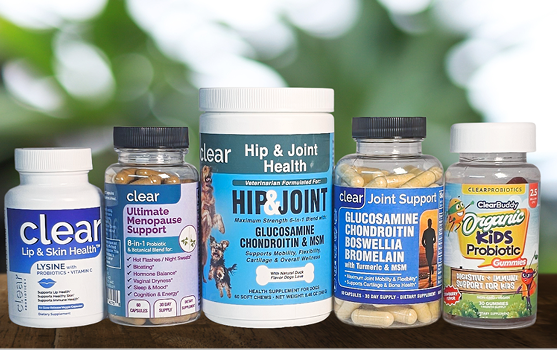
Clear Menopause Support includes a dedicated probiotic blend with bi-pass delivery technology within its 8-in-1 botanical and probiotic formula, supporting the gut-estrogen connection described above alongside black cohosh, Dong Quai, chasteberry, red clover, ashwagandha, maca, DIM, and flaxseed.
→ View Clear Menopause Support
Glossary of Key Terms
Estrobolome - The collective term for the genes and gene products within the gut microbiome capable of metabolizing estrogens, primarily through beta-glucuronidase enzyme activity. The estrobolome concept connects gut bacterial composition directly to circulating estrogen levels through its role in estrogen recirculation.
Beta-Glucuronidase - An enzyme produced by certain gut bacteria that deconjugates (reactivates) estrogen metabolites that have been inactivated by the liver and excreted into the intestine via bile. This deconjugation allows the reactivated estrogen to be reabsorbed into systemic circulation rather than eliminated in stool - a process called enterohepatic recirculation.
Enterohepatic Recirculation - The cyclical process by which compounds excreted from the liver into the bile and intestine are reabsorbed back into systemic circulation rather than being eliminated from the body, rather than simply passing through and being excreted. Estrogen undergoes enterohepatic recirculation when gut bacterial beta-glucuronidase activity deconjugates and reactivates it within the intestine.
Bi-Pass Delivery Technology - A category of probiotic encapsulation methods designed to protect live bacterial cultures from destruction by stomach acid during digestive transit, using acid-resistant coatings, complex polysaccharides, or delayed-release mechanisms to maximize the proportion of bacteria that survive to colonize the intestine.
Gut Microbiome Diversity - A measure of the variety and balance of different bacterial species present in the gut. Greater diversity is generally associated with more balanced metabolic functions, including more consistent estrobolome-related estrogen recirculation, and improved capacity to support phytoestrogen conversion reactions like equol and enterolignan production.
Colony-Forming Units (CFU) - A measure of viable bacterial cell count in a probiotic product, indicating how many bacteria are capable of growing and colonizing when delivered to an appropriate environment. Label CFU count does not guarantee delivery to the gut - survivability through stomach acid, addressed by bi-pass delivery technology, determines what proportion of the labeled CFU actually reaches and colonizes the intestine.
Frequently Asked Questions
Q: How are gut bacteria connected to menopause symptoms?
Through the estrobolome - the collection of gut bacteria capable of producing beta-glucuronidase, an enzyme that reactivates estrogen metabolites in the intestine and allows them to be reabsorbed into circulation rather than excreted. This means gut microbiome composition directly influences how much estrogen is recirculated versus eliminated, adding a gut-driven variable to the hormonal fluctuations already occurring during perimenopause. A healthy, diverse gut microbiome is associated with more balanced estrogen recirculation patterns.
Q: Why does a menopause supplement need a probiotic blend?
Because several of the most studied menopause botanicals - particularly red clover isoflavones and flaxseed lignans - require specific gut bacterial conversion reactions to reach their fully bioactive forms (equol production and enterolignan production, respectively). A probiotic blend supports the gut microbiome diversity and health that underlies both the estrobolome's balanced function and the conversion reactions other formula ingredients depend on, making it a mechanistically integrated component rather than an unrelated digestive addition.
Q: What is "bi-pass delivery technology" and why does it matter?
It refers to formulation methods designed to protect live probiotic bacteria from destruction by stomach acid during digestion, using acid-resistant coatings or complex polysaccharides. Probiotic strains that are substantially destroyed in the stomach deliver far less benefit than their label CFU count suggests - bi-pass delivery technology is specifically designed to maximize the proportion of bacteria that survive to colonize the intestine, where they can actually exert their effects.
Q: How long does it take for a probiotic blend to affect gut-hormone balance?
Research on probiotic-driven microbiome shifts generally indicates meaningful changes in bacterial composition begin to develop over 4 to 8 weeks of consistent daily use. This timeline is broadly consistent with the assessment windows used in clinical research on the other botanical compounds in a comprehensive menopause formula, suggesting a complementary, mutually reinforcing progression across the formula's gut and hormonal components.
Q: Are probiotics safe to take alongside menopause botanicals like black cohosh and red clover?
Yes - there are no known significant interactions between standard probiotic strains and the botanical compounds typically included in menopause formulas. In fact, the relationship is complementary rather than independent, given that gut bacterial activity directly influences the bioactivity of several phytoestrogen-containing botanicals in the same formula.
These statements have not been evaluated by the Food and Drug Administration. This product is not intended to diagnose, treat, cure, or prevent any disease.
References: Kwa M et al. (2016). The intestinal microbiome and estrogen receptor-positive female breast cancer. Journal of the National Cancer Institute, 108(8). | Baker JM et al. (2017). Estrogen-gut microbiome axis: physiological and clinical implications. Maturitas, 103, 45-53. | Plottel CS & Blaser MJ (2011). Microbiome and malignancy. Cell Host & Microbe, 10(4), 324-335. | Flores R et al. (2012). Fecal microbial determinants of fecal and systemic estrogens and estrogen metabolites. Journal of Translational Medicine, 10, 253.