







L-Methionine: The Essential Amino Acid That Completes the Joint Formula's Sulfur Supply Chain
L-Methionine is an essential sulfur-containing amino acid — meaning the body cannot synthesize it and must obtain it entirely through diet or supplementation — that serves as a direct precursor for S-adenosylmethionine (SAMe), cartilage proteoglycan sulfation, collagen cross-linking, and the synthesis of glutathione, the body's primary intracellular antioxidant. Within a joint formula already containing MSM as a sulfur source, L-Methionine provides a complementary form of sulfur delivery through a distinct biochemical entry point — the methionine cycle — that produces SAMe, a compound independently studied in clinical trials and found comparable to NSAIDs for osteoarthritis pain management at a more favorable side-effect profile.
L-Methionine's inclusion in a joint formula alongside MSM might initially seem redundant — both are sulfur-containing compounds, after all. But the distinction between them is meaningful: they enter the body's sulfur metabolism through different pathways, and methionine specifically unlocks the SAMe synthesis pathway, an application with its own dedicated and substantial clinical research history in osteoarthritis management.

Why "Essential" Matters: The Body Cannot Make Its Own Methionine
L-Methionine is one of nine essential amino acids — compounds the human body requires for normal function but cannot synthesize internally, making dietary or supplemental intake the only source. This essential status distinguishes it from many other amino acids involved in joint and connective tissue health, which the body can produce from other precursors when dietary intake is insufficient.
Methionine's essential status means that any insufficiency in dietary intake directly and immediately limits the downstream biochemical processes that depend on it — there is no internal synthesis pathway to compensate for a shortfall, as exists for non-essential amino acids.
The Methionine Cycle: How One Amino Acid Supports Multiple Joint-Relevant Pathways
Methionine's biological significance extends through a metabolic pathway known as the methionine cycle, which connects it to several processes directly relevant to joint and connective tissue health.
SAMe (S-Adenosylmethionine) Production: Methionine is converted into SAMe through the action of the enzyme methionine adenosyltransferase. SAMe is a universal methyl donor, involved in hundreds of methylation reactions throughout the body, including reactions relevant to cartilage matrix maintenance and the broader cellular repair processes operating in joint tissue.
Cysteine and Glutathione Synthesis: Through a process called transsulfuration, methionine can be converted into cysteine, which is in turn a direct precursor for glutathione synthesis — the body's primary intracellular antioxidant. As discussed in the context of MSM, adequate glutathione synthesis capacity supports chondrocyte resilience against the oxidative stress associated with inflamed or mechanically stressed joint tissue.
Collagen Cross-Linking Contribution: As a sulfur-containing amino acid, methionine contributes to the broader sulfur pool available for the disulfide bond formation involved in collagen cross-linking — the same structural mechanism discussed extensively in the context of MSM's contribution to connective tissue integrity.
Cartilage Proteoglycan Sulfation: Similarly, methionine's sulfur content contributes to the body's overall sulfur availability for glycosaminoglycan sulfation — the process that gives cartilage's structural polysaccharides (including chondroitin sulfate) their water-retaining negative charge.
SAMe's Dedicated Clinical Research for Osteoarthritis
This is the most clinically significant and well-documented application connecting methionine to joint health specifically, and it deserves particular attention because SAMe (the direct downstream product of methionine metabolism) has its own substantial, independent clinical trial history.
Multiple randomized controlled trials conducted from the 1980s through the 1990s and beyond examined SAMe specifically for osteoarthritis pain and function, with several finding effects comparable to NSAID pain medications, but with a meaningfully more favorable side-effect profile — notably without the gastrointestinal risks associated with long-term NSAID use. A systematic review examining the available SAMe osteoarthritis literature found consistent evidence of efficacy comparable to NSAIDs for pain reduction, generally with a slower onset of action but better long-term tolerability.
L-Methionine's role within a comprehensive joint formula is to provide the upstream precursor substrate from which the body can synthesize SAMe endogenously, rather than supplying SAMe directly (which is a less stable and more expensive compound to formulate directly, with its own absorption and stability challenges in supplement form). Providing adequate methionine supports the body's own SAMe production capacity as part of its normal metabolic activity.
Why Methionine Complements Rather Than Duplicates MSM
Methionine and MSM both provide sulfur, but through distinct biochemical entry points into the body's sulfur metabolism. MSM is a direct, simple organic sulfur compound that can be incorporated relatively directly into various sulfur-dependent processes. Methionine, as a complete amino acid, enters through protein and amino acid metabolism specifically, unlocking the methionine cycle's broader range of downstream products — including SAMe, which MSM does not directly produce.
This means a comprehensive formula including both methionine and MSM is not providing redundant sulfur sources, but rather addressing the body's sulfur requirement through two distinct metabolic pathways, each unlocking a partially different set of downstream biological processes — MSM more directly supporting collagen cross-linking and glycosaminoglycan sulfation broadly, methionine additionally and distinctively supporting the SAMe-mediated methylation pathway with its own dedicated osteoarthritis research base.
Dosing and Timeline
L-Methionine doses in joint health formulas commonly range from a few hundred milligrams to around 1,000 mg daily, reflecting its role as a precursor-supply compound within a broader multi-ingredient formula rather than the primary, highest-dose active ingredient. Because methionine's relevant downstream effects (SAMe production, glutathione synthesis, collagen and proteoglycan sulfur contribution) depend on ongoing metabolic conversion processes, meaningful benefit develops progressively alongside the other structural and anti-inflammatory compounds in a comprehensive formula, generally over a similar multi-week timeline.
Safety Considerations
L-Methionine has a generally favorable safety profile at standard supplemental doses within a multi-ingredient formula, with no significant adverse effects commonly reported at these levels. At very high doses (substantially exceeding what is typically found in comprehensive joint formulas), methionine supplementation has been studied for its effects on homocysteine levels — an amino acid byproduct of methionine metabolism that, when chronically elevated, has been associated with cardiovascular risk in some research. This is primarily a consideration for very high-dose, standalone methionine supplementation rather than the moderate doses found within a comprehensive multi-ingredient joint formula, but individuals with known elevated homocysteine or relevant cardiovascular risk factors may wish to discuss overall methionine intake with their healthcare provider.
Clear Wellness 360 Products with L-Methionine
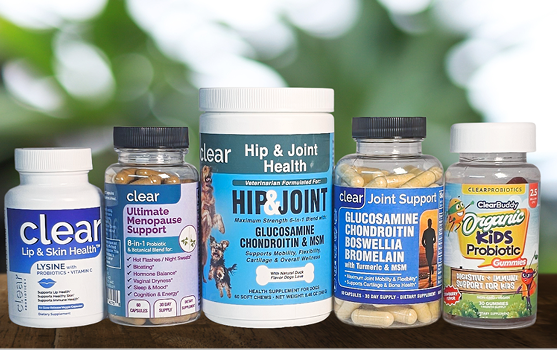
Clear Joint Support includes L-Methionine alongside Glucosamine Sulfate Potassium, Chondroitin Sulfate, MSM, Turmeric, Boswellia, Quercetin, and Bromelain, providing a complementary sulfur-supply pathway through the methionine cycle that supports SAMe production, glutathione synthesis, and the broader sulfur requirements of collagen and proteoglycan maintenance.
Glossary of Key Terms
Essential Amino Acid — An amino acid that the human body cannot synthesize internally and must obtain entirely through diet or supplementation. L-Methionine is one of nine essential amino acids, meaning dietary insufficiency directly and immediately limits the downstream biochemical processes that depend on it.
Methionine Cycle — A metabolic pathway through which methionine is converted into S-adenosylmethionine (SAMe) and, through transsulfuration, into cysteine and ultimately glutathione. This cycle connects methionine to multiple processes relevant to joint and connective tissue health.
S-Adenosylmethionine (SAMe) — A compound produced from methionine that functions as a universal methyl donor in hundreds of biochemical reactions throughout the body. SAMe has its own dedicated clinical research history for osteoarthritis, with multiple trials finding effects comparable to NSAID pain medications.
Transsulfuration — A metabolic pathway through which methionine is converted into cysteine, the direct precursor amino acid for glutathione synthesis. This pathway connects methionine's essential amino acid status to the body's antioxidant defense capacity.
Glutathione — The body's primary intracellular antioxidant, synthesized from cysteine (itself derived from methionine via transsulfuration), along with glutamate and glycine. Adequate glutathione synthesis supports chondrocyte resilience against oxidative stress in joint tissue.
Homocysteine — An amino acid byproduct of methionine metabolism. Chronically elevated homocysteine has been associated with cardiovascular risk in some research, primarily relevant to very high-dose, standalone methionine supplementation rather than the moderate doses found in comprehensive multi-ingredient joint formulas.
Frequently Asked Questions
Q: What does L-Methionine do for joint health?
L-Methionine, as an essential sulfur-containing amino acid, provides the sulfur required for collagen cross-linking and cartilage proteoglycan sulfation, while also serving as the direct precursor for S-adenosylmethionine (SAMe) — a compound with its own substantial, independent clinical research history showing effects comparable to NSAIDs for osteoarthritis pain, with a more favorable long-term side-effect profile. Methionine additionally supports glutathione synthesis through the transsulfuration pathway, contributing antioxidant protection to joint tissue.
Q: Why does the formula include both L-Methionine and MSM if they're both sulfur sources?
Because they enter the body's sulfur metabolism through distinct biochemical pathways. MSM is a direct, simple organic sulfur compound; L-Methionine, as a complete amino acid, unlocks the broader methionine cycle, including SAMe production — a pathway MSM does not directly access. Including both provides sulfur through two complementary routes rather than a single redundant source, each supporting a partially different set of downstream biological processes.
Q: Is SAMe really comparable to NSAIDs for joint pain?
Multiple randomized controlled trials conducted over several decades have found SAMe's effects on osteoarthritis pain and function to be comparable to NSAID medications, generally with a slower onset of action but a more favorable long-term safety and tolerability profile, particularly regarding the gastrointestinal risks associated with long-term NSAID use. L-Methionine provides the precursor substrate from which the body can synthesize SAMe as part of its normal metabolism.
Q: Is L-Methionine safe to take daily as part of a joint supplement?
At the moderate doses typically included within a comprehensive multi-ingredient joint formula, L-Methionine has a favorable safety profile with no significant commonly reported adverse effects. Considerations regarding elevated homocysteine are primarily relevant to very high-dose, standalone methionine supplementation rather than the moderate doses found in a comprehensive formula, though individuals with known cardiovascular risk factors may wish to discuss overall methionine intake with their healthcare provider.
Q: Why is methionine considered "essential" while some other amino acids aren't?
Because the human body lacks the metabolic pathways needed to synthesize methionine from other compounds internally — it must be obtained entirely through diet or supplementation. This contrasts with non-essential amino acids, which the body can produce from other available precursors when dietary intake is insufficient, making essential amino acid status a more direct and immediate determinant of biological sufficiency.
These statements have not been evaluated by the Food and Drug Administration. This product is not intended to diagnose, treat, cure, or prevent any disease.
References: Soeken KL et al. (2002). Safety and efficacy of S-adenosylmethionine (SAMe) for osteoarthritis. Journal of Family Practice, 51(5), 425–430. | Najm WI et al. (2004). S-adenosyl methionine (SAMe) versus celecoxib for the treatment of osteoarthritis symptoms. BMC Musculoskeletal Disorders, 5, 6. | Wu G (2009). Amino acids: metabolism, functions, and nutrition. Amino Acids, 37(1), 1–17. | Lubec B et al. (1996). Evidence for McKusick's hypothesis of deficient collagen maturation in patients with homocystinuria. Biochimica et Biophysica Acta.