





Turmeric Curcumin: The Dual COX-2 and NF-κB Inhibitor With Clinical Evidence Rivaling NSAIDs
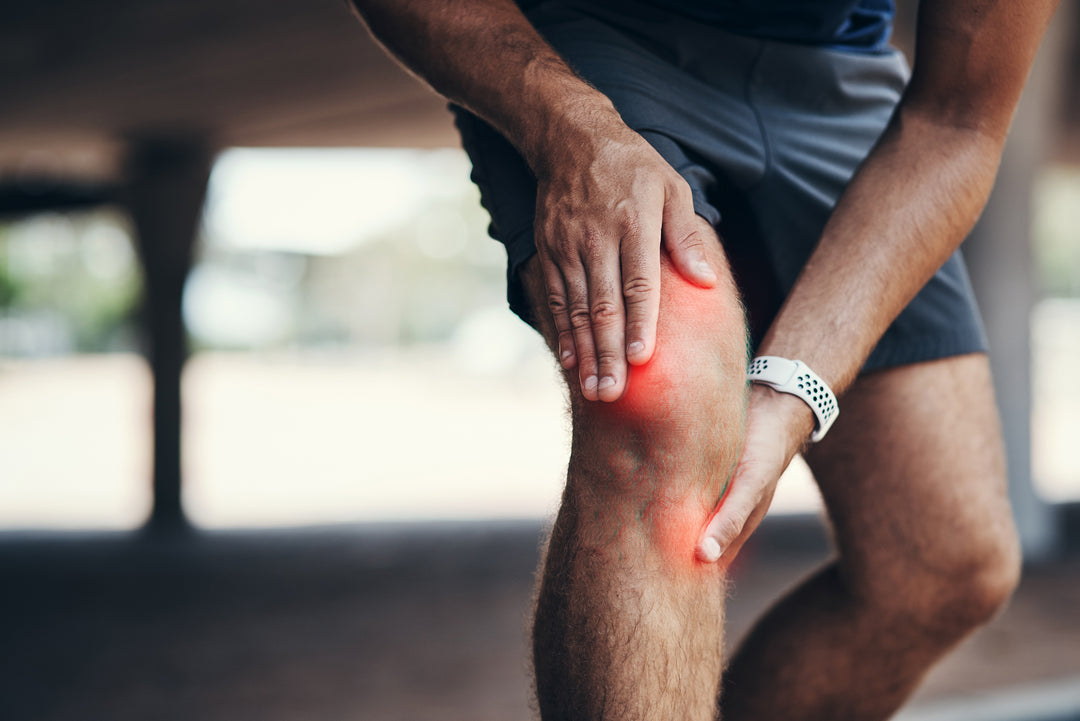
Curcumin, the primary bioactive curcuminoid in turmeric (Curcuma longa root), is one of the most extensively studied natural anti-inflammatory compounds in the scientific literature, with over 12,000 published studies examining its activity. Its relevance to joint and cardiovascular health centers on two distinct, well-characterized mechanisms: direct inhibition of the COX-2 enzyme — the same molecular target as NSAID pain medications — and inhibition of NF-κB, the upstream transcription factor controlling the expression of the pro-inflammatory cytokines that drive both joint inflammation and vascular endothelial dysfunction. A randomized controlled trial published in Clinical Interventions in Aging (Kuptniratsaikul et al., 2014) found curcumin produced pain and function improvements in knee osteoarthritis patients statistically equivalent to ibuprofen, with significantly fewer gastrointestinal side effects.
Turmeric's curcumin content is one of the few natural compounds whose anti-inflammatory research base is robust enough to be directly and rigorously compared against established pharmaceutical NSAIDs in head-to-head randomized trials — a comparison that consistently favors curcumin's safety profile while showing comparable efficacy on validated pain and function scales.

The COX-2 Mechanism: Curcumin's NSAID-Parallel Pathway
COX-2 (cyclooxygenase-2) is the inducible enzyme responsible for converting arachidonic acid into prostaglandins — lipid mediators that sensitize pain receptors and increase vascular permeability, producing the cardinal signs of inflammation: pain, swelling, and heat. This is the molecular target of conventional NSAID pain medications, including ibuprofen, naproxen, and prescription COX-2 inhibitors like celecoxib.
Curcumin inhibits COX-2 activity through a mechanism that produces measurable, clinically validated pain relief without the gastrointestinal mucosal damage associated with long-term NSAID use. NSAIDs cause GI irritation partly because COX-1 — a related enzyme responsible for maintaining protective stomach lining function — is also inhibited by many NSAIDs (particularly non-selective ones like ibuprofen), reducing the stomach's natural mucosal protection alongside the intended COX-2 inhibition. Curcumin's COX-2 inhibitory activity does not carry this same COX-1 collateral effect to the same degree, which is the proposed mechanistic explanation for its more favorable gastrointestinal tolerability profile relative to traditional NSAIDs.
The NF-κB Mechanism: Addressing the Inflammatory Cascade Further Upstream
NF-κB (nuclear factor kappa-light-chain-enhancer of activated B cells) is a transcription factor — a protein that controls which genes are actively expressed within a cell. When activated by inflammatory signals, mechanical stress, oxidative stress, or pathogen-associated molecular patterns, NF-κB translocates into the cell nucleus and switches on the genes responsible for producing pro-inflammatory cytokines, including IL-1β, IL-6, and TNF-α, along with adhesion molecules that facilitate inflammatory cell attachment to tissue surfaces (including vascular endothelium, relevant to cardiovascular applications discussed below).
Curcumin directly inhibits NF-κB activation, specifically by preventing the phosphorylation of IκB kinase — a necessary upstream step in the NF-κB activation cascade. This represents intervention at a considerably earlier point in the inflammatory signaling pathway than COX-2 inhibition alone: rather than simply blocking the production of one downstream inflammatory mediator (prostaglandins via COX-2), NF-κB inhibition reduces the genetic expression of multiple pro-inflammatory cytokines simultaneously, addressing the inflammatory cascade further upstream.
This dual mechanism — COX-2 inhibition providing direct analgesic activity, NF-κB inhibition providing broader upstream anti-inflammatory suppression — is the basis for curcumin's documented effects in clinical trials measuring both pain reduction and inflammatory biomarkers (such as CRP and IL-6) simultaneously, a combination of outcomes that conventional NSAIDs, working through COX inhibition alone, do not typically produce to the same degree.
The Clinical Evidence: Curcumin vs. NSAIDs Head-to-Head
The Kuptniratsaikul et al. Trial (2014, Clinical Interventions in Aging): This randomized trial directly compared 1,500 mg of curcumin daily against 1,200 mg of ibuprofen daily in 367 patients with knee osteoarthritis over a 4-week period. Both treatment groups showed statistically equivalent improvement on the WOMAC pain subscale — the gold-standard validated assessment instrument for knee osteoarthritis. Critically, the curcumin group reported significantly fewer gastrointestinal adverse events (33 events) compared to the ibuprofen group (96 events), directly demonstrating the safety advantage proposed by the COX-1/COX-2 selectivity mechanism described above.
The Antony et al. Systematic Review (2020, Foods): A meta-analysis examining 11 randomized controlled trials concluded that curcumin supplementation significantly reduces pain and improves physical function in osteoarthritis patients, with an effect size broadly comparable to NSAID medications across the pooled evidence base.
Cardiovascular and Endothelial Function Research: A randomized controlled trial published in Nutrition Research found that curcumin supplementation significantly improved flow-mediated dilation — the gold-standard clinical measure of endothelial function — in postmenopausal women, a population with well-documented progressive endothelial decline. The magnitude of improvement was reported as comparable to that achieved through aerobic exercise training, underscoring curcumin's direct relevance to vascular biology beyond its joint-specific applications.
Why Extraction and Concentration Matter: The 4:1 Extract
Raw turmeric root powder contains approximately 3% to 5% curcuminoids by weight — meaning the vast majority of raw turmeric is non-bioactive plant material. A 4:1 extract concentrates the curcuminoid fraction fourfold, typically yielding approximately 12% to 20% curcuminoids by weight, allowing a clinically meaningful curcuminoid dose to be delivered within a reasonable capsule volume that would be impractical to achieve using raw, unextracted turmeric powder. The clinical trials demonstrating NSAID-comparable efficacy, including the Kuptniratsaikul trial cited above, used standardized, concentrated curcuminoid preparations rather than raw turmeric powder — a critical distinction for anyone evaluating whether a given turmeric product is likely to replicate published research results.
The Bioavailability Problem and the Piperine Solution
Curcumin's most significant pharmacological limitation is its inherently poor standalone bioavailability — it is rapidly metabolized by sulfotransferase and glucuronidation enzymes in the intestinal wall and liver, with a substantial proportion of any ingested dose converted into inactive metabolites before reaching systemic circulation in meaningful concentration.
Black pepper-derived piperine has been shown to increase curcumin bioavailability by up to 2,000%, a finding established in the landmark 1998 study by Shoba et al. published in Planta Medica, by inhibiting the glucuronidation and related metabolic pathways responsible for curcumin's rapid inactivation. This is why curcumin is frequently formulated alongside piperine specifically — without this bioavailability-enhancing co-compound, even a concentrated, well-extracted curcumin dose may deliver considerably less systemic exposure than the research literature would suggest, since most foundational curcumin clinical trials (including several cited above) have specifically accounted for or incorporated bioavailability-enhancing strategies in their dosing protocols.
Dosing and Timeline
Clinical trials demonstrating both osteoarthritis and cardiovascular benefit have commonly used curcumin doses around 1,500 mg daily (delivered through a concentrated, standardized extract rather than raw turmeric powder), generally measured over 4-to-8-week assessment windows. As with most natural anti-inflammatory compounds, meaningful symptomatic benefit typically develops progressively, with the most robust clinical evidence reflecting outcomes after several weeks of consistent daily use rather than acute, single-dose effects.
Safety Considerations
Curcumin has a favorable overall safety profile, with the gastrointestinal tolerability advantage relative to NSAIDs being one of its most consistently documented benefits across the comparative clinical literature. At higher doses, curcumin can have mild effects on certain cytochrome P450 liver enzymes involved in drug metabolism, a consideration relevant for individuals taking medications with narrow therapeutic windows. Curcumin also has mild antiplatelet properties, which may have additive effects with anticoagulant or antiplatelet medications including warfarin and aspirin therapy — a relevant consideration for anyone on blood-thinning medication.
Clear Wellness 360 Products with Turmeric Curcumin
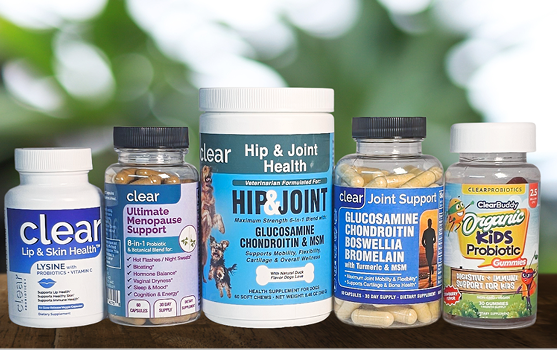
Clear Joint Support includes Turmeric as a 4:1 extract alongside Glucosamine Sulfate Potassium, Chondroitin Sulfate, MSM, Boswellia, Quercetin, Bromelain, and L-Methionine, providing COX-2 and NF-κB inhibitory activity that complements Boswellia's distinct 5-LOX inhibitory mechanism for comprehensive joint anti-inflammatory coverage.
Clear Cayenne Pepper Complex includes Turmeric within its 12-compound cardiovascular and circulation formula, contributing NF-κB-mediated anti-inflammatory and LDL-protective antioxidant activity relevant to long-term vascular endothelial health.
→ View Clear Cayenne Pepper Complex
Glossary of Key Terms
Curcuminoids — The class of polyphenol compounds in turmeric responsible for its bioactivity, of which curcumin is the primary and most extensively studied individual compound. Curcuminoid content, expressed as a percentage of extract weight, is the standard measure used to characterize turmeric extract concentration and potency.
COX-2 (Cyclooxygenase-2) — The inducible enzyme responsible for prostaglandin production during inflammation, and the molecular target of both NSAID pain medications and curcumin's anti-inflammatory mechanism. Curcumin's relative COX-1 sparing, compared to many NSAIDs, is the proposed basis for its improved gastrointestinal tolerability.
NF-κB (Nuclear Factor Kappa B) — A transcription factor controlling the gene expression of pro-inflammatory cytokines and adhesion molecules. Curcumin inhibits NF-κB activation by blocking IκB kinase phosphorylation, addressing the inflammatory cascade at an earlier, upstream point than COX-2 inhibition alone.
WOMAC (Western Ontario and McMaster Universities Osteoarthritis Index) — The gold-standard validated questionnaire used in osteoarthritis clinical research to assess pain, stiffness, and physical function. Multiple curcumin-versus-NSAID trials have used WOMAC scores as the primary outcome measure.
Flow-Mediated Dilation (FMD) — The gold-standard clinical measure of vascular endothelial function, assessing a blood vessel's capacity to widen in response to increased blood flow. Curcumin supplementation has been shown in randomized controlled trials to significantly improve FMD, supporting its relevance to cardiovascular health beyond joint applications.
Piperine — The primary bioactive alkaloid in black pepper, shown to increase curcumin's bioavailability by up to 2,000% by inhibiting the glucuronidation and related metabolic pathways responsible for curcumin's otherwise rapid inactivation.
Frequently Asked Questions
Q: Is turmeric curcumin really as effective as ibuprofen for joint pain?
A randomized controlled trial published in Clinical Interventions in Aging directly compared 1,500 mg of curcumin daily to 1,200 mg of ibuprofen daily in 367 patients with knee osteoarthritis, finding statistically equivalent improvement on the WOMAC pain scale over four weeks, with the curcumin group experiencing significantly fewer gastrointestinal side effects (33 events versus 96 events with ibuprofen). This is one of the more direct head-to-head comparisons available for any natural compound versus a conventional pharmaceutical anti-inflammatory.
Q: What is the difference between curcumin's mechanism and an NSAID's mechanism?
Both inhibit COX-2, the enzyme responsible for producing the prostaglandins that cause pain sensitization and inflammation — this is the mechanism shared with NSAIDs. Curcumin additionally inhibits NF-κB, an upstream transcription factor controlling the expression of multiple pro-inflammatory cytokines simultaneously, addressing the inflammatory cascade at an earlier point than COX-2 inhibition alone. This dual mechanism, combined with reduced COX-1 collateral effects, is the proposed explanation for curcumin's improved gastrointestinal tolerability relative to conventional NSAIDs.
Q: Why does turmeric need to be combined with black pepper (piperine) to work well?
Because curcumin has notoriously poor standalone bioavailability — it is rapidly metabolized and inactivated by liver and intestinal enzymes before a meaningful proportion can reach systemic circulation. Piperine, the primary bioactive compound in black pepper, has been shown to increase curcumin bioavailability by up to 2,000% by inhibiting these metabolic pathways. Without piperine or another bioavailability-enhancing strategy, a curcumin dose may deliver considerably less systemic exposure than the research literature on its anti-inflammatory effects would suggest.
Q: Why is a 4:1 turmeric extract used instead of raw turmeric powder?
Raw turmeric root contains only approximately 3% to 5% curcuminoids by weight. A 4:1 extract concentrates this active fraction fourfold, yielding approximately 12% to 20% curcuminoids, allowing a clinically meaningful dose to be delivered within a reasonable capsule volume. The clinical trials demonstrating effects comparable to NSAIDs used concentrated, standardized curcuminoid preparations rather than raw turmeric powder.
Q: Does turmeric curcumin help with cardiovascular health, not just joints?
Yes. A randomized controlled trial found curcumin supplementation significantly improved flow-mediated dilation — the gold-standard measure of endothelial (blood vessel lining) function — in postmenopausal women, with a magnitude of improvement comparable to aerobic exercise training. This reflects curcumin's NF-κB-mediated anti-inflammatory and antioxidant LDL-protective mechanisms operating in vascular tissue, distinct from but complementary to its joint-specific applications.
These statements have not been evaluated by the Food and Drug Administration. This product is not intended to diagnose, treat, cure, or prevent any disease.
References: Kuptniratsaikul V et al. (2014). Efficacy and safety of Curcuma domestica extracts compared with ibuprofen in patients with knee osteoarthritis. Clinical Interventions in Aging, 9, 451–458. | Shoba G et al. (1998). Influence of piperine on the pharmacokinetics of curcumin in animals and human volunteers. Planta Medica, 64(4), 353–356. | Antony B et al. (2020). Curcumin for osteoarthritis management: a systematic review. Foods, 9(11), 1571. | Usharani P et al. (2008). Effect of NCB-02, atorvastatin and placebo on endothelial function, oxidative stress and inflammatory markers. Drugs in R&D, 9(4), 243–250.