




The Complete Guide to Cold Sore Triggers (And How to Address Each One)
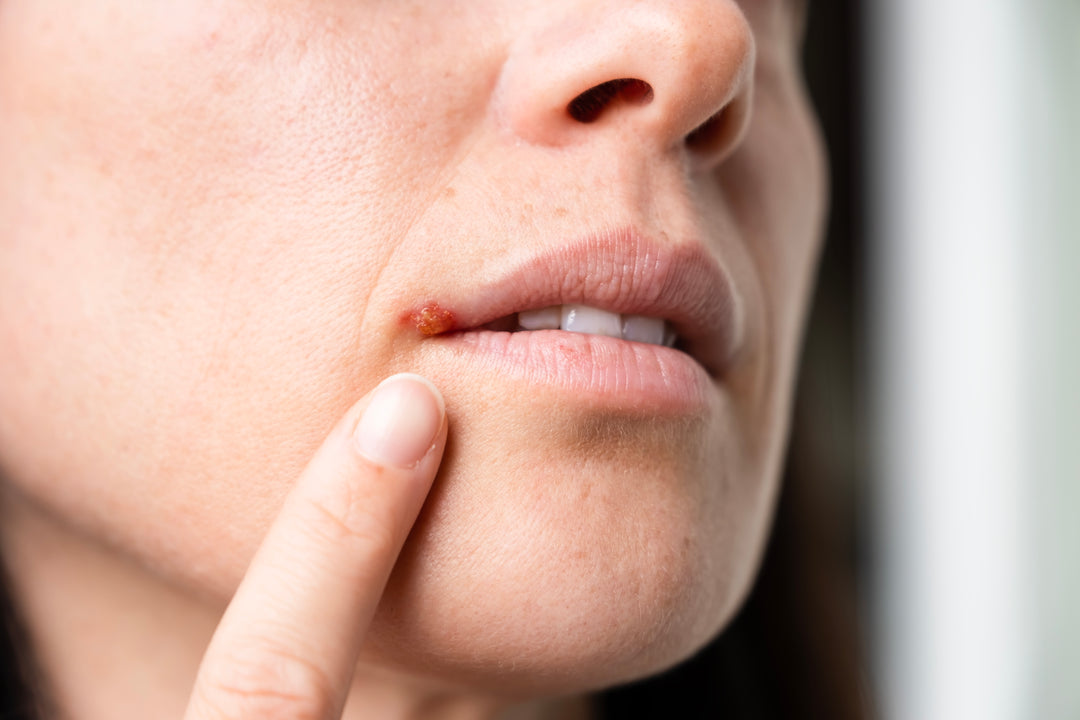
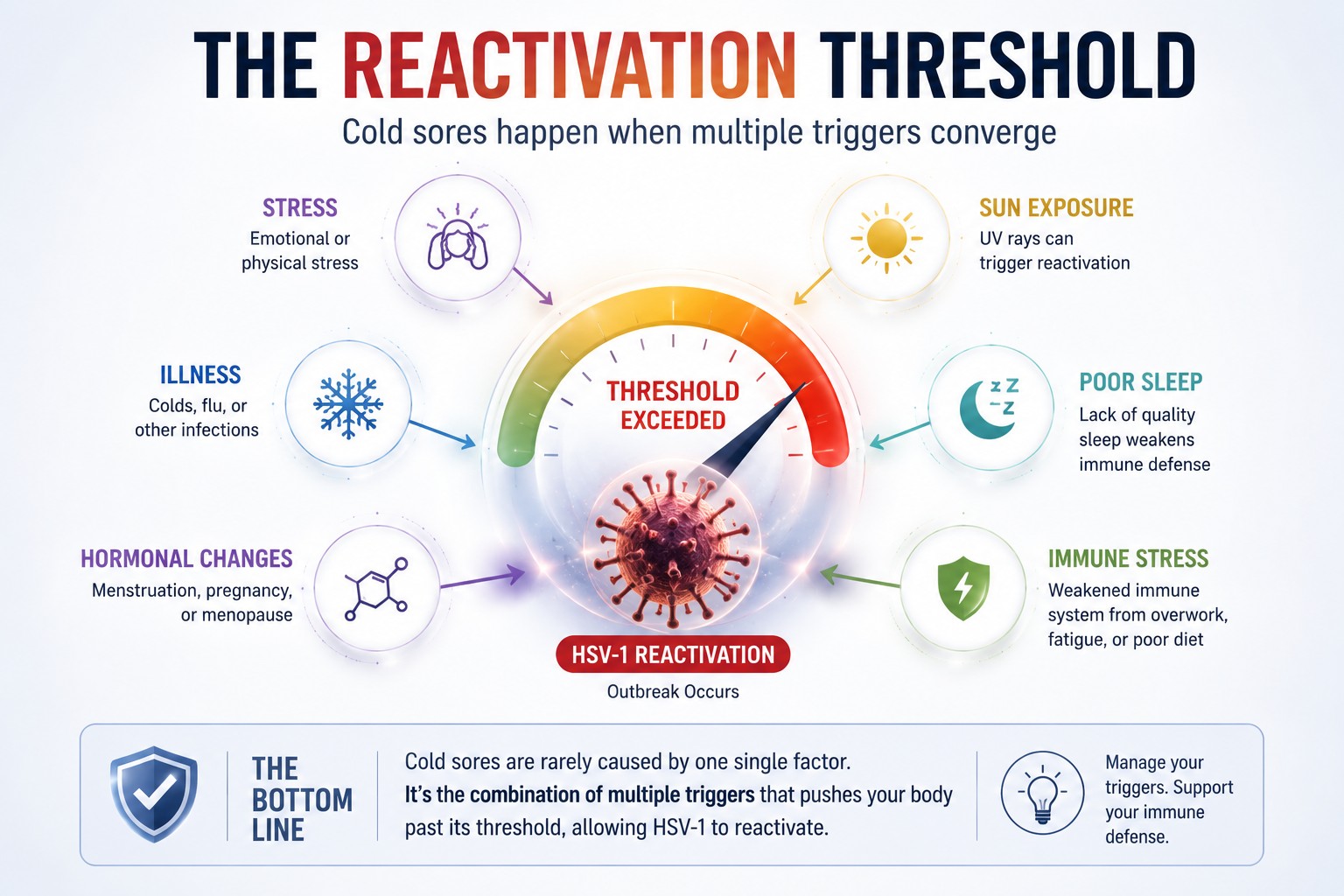
Cold sore outbreaks are not random - they are the predictable result of specific biological conditions that allow latent HSV-1 to reactivate. The most consistently documented triggers are: elevated dietary arginine (which provides the amino acid substrate HSV-1 requires to replicate), psychological stress and elevated cortisol (which suppresses the cellular immunity keeping the virus latent), UV radiation from sun exposure (which creates local immunosuppression at the lip), immune system depression from illness or poor sleep, gut microbiome disruption (which impairs gut-associated immune surveillance), and hormonal fluctuations. Understanding which triggers are most relevant to an individual's pattern of outbreaks - and addressing them through consistent daily nutritional support targeting the shared biological mechanism - is the most effective non-pharmaceutical approach to cold sore prevention.
Ask anyone who experiences recurrent cold sores when their outbreaks tend to occur, and they can almost always tell you: after a stressful week at work, right when they get sick, after a beach vacation, or predictably at a certain point in the month. This pattern recognition is not imagination - it is accurate observation of a biological system that responds in predictable ways to specific inputs.
The same pattern that makes cold sores frustrating also makes them manageable. If outbreaks have identifiable triggers, those triggers can be identified, minimized, and - where they cannot be avoided - defended against through daily nutritional preparation that raises the biological threshold for reactivation.
This article covers every major documented trigger, the biological mechanism behind each, and the nutritional strategy that addresses it.
Trigger 1: Elevated Arginine
The mechanism: HSV-1 requires arginine - a dietary amino acid - to replicate. When intracellular arginine is elevated (following high-arginine meals), the viral replication machinery has the substrate it needs to produce new viral particles.
The biology: Arginine is used by the virus to synthesize structural proteins, complete viral assembly, and produce polyamines (spermine and spermidine) that accelerate viral gene expression. A cell rich in arginine is a more permissive replication environment for HSV-1.
The highest-arginine foods to be aware of:
- Chocolate and cocoa - among the highest arginine-per-serving foods, and one of the most consistently reported dietary triggers
- Nuts: almonds, walnuts, peanuts, Brazil nuts, hazelnuts
- Seeds: pumpkin, sunflower, sesame, flaxseed
- Red meat - particularly beef, which is higher in arginine than poultry
- Whole grains - including oats, wheat germ, and brown rice
- Soy products - tofu, tempeh, soy protein, edamame
This does not mean eliminating these foods entirely - many are nutritious in other respects. It means being aware of them during periods of known immune vulnerability, and maintaining consistent L-Lysine supplementation to keep the arginine-competition ratio favorable.
High-lysine foods that support a favorable ratio:
- Fish (particularly cod, sardines, and tuna)
- Chicken and turkey
- Eggs
- Dairy products (yogurt, cheese, milk)
- Legumes (lentils, black beans, chickpeas)
The nutritional address: Consistent daily L-Lysine supplementation maintains the lysine-to-arginine competition at all times - including after high-arginine meals. L-Lysine and arginine use the same cellular transport channels (CAT transporters), so high circulating lysine competes with arginine for cellular uptake and reduces the intracellular arginine availability that the virus requires. This mechanism operates continuously when L-Lysine is maintained daily, regardless of what was eaten at the last meal.
Trigger 2: Psychological Stress and Elevated Cortisol
The mechanism: Psychological stress activates the hypothalamic-pituitary-adrenal (HPA) axis, producing elevated cortisol that directly suppresses cellular immunity - particularly the CD8+ cytotoxic T lymphocytes and NK cells that keep latent HSV-1 suppressed at the trigeminal ganglion.
The biology: Cortisol is immunosuppressive by design - it evolved to prevent immune overactivation during physical stressors. In acute doses, this is adaptive. In chronic doses (sustained psychological stress), it impairs:
- NK cell cytotoxicity: Cortisol reduces NK cell killing capacity, lowering the innate immune surveillance that detects and destroys cells in the earliest stages of viral reactivation
- CD8+ T lymphocyte activity: The cortisol-mediated reduction in IL-2 signaling impairs the proliferation and sustained function of the cytotoxic T cells resident in the trigeminal ganglion
- Type I interferon production: Cortisol suppresses TLR-mediated interferon signaling - reducing the early antiviral response that would otherwise abort a reactivation event before it becomes clinically apparent
- Gut barrier function: Cortisol disrupts tight junction proteins in the gut epithelium, increasing intestinal permeability and triggering a secondary inflammatory signal that further dysregulates immune balance
The pattern: Outbreaks that arrive at the end of a sustained stressful period (not necessarily during the peak of stress, but in the recovery phase afterward) are consistent with the delayed immune dysregulation that cortisol produces.
The nutritional address: Lactobacillus rhamnosus LGG supports NK cell activity and maintains the gut-immune function that cortisol dysregulates. Additionally, L-Lysine research has suggested a role in cortisol moderation - a small number of studies have found that lysine supplementation reduced anxiety-related cortisol responses.
Trigger 3: UV Radiation (Sun Exposure)
The mechanism: Ultraviolet radiation from sunlight causes DNA damage and local immunosuppression in the lip epithelium - the exact tissue where HSV-1 emerges during outbreaks - creating a window of reduced immune defense at the outbreak site.
The biology: UV radiation produces several immunosuppressive effects in lip tissue:
- Langerhans cell depletion: UV radiation depletes Langerhans cells - the dendritic cells of the skin and mucosal epithelium that present antigens to T cells and coordinate local immune responses.
- cis-Urocanic acid production: UV exposure converts trans-urocanic acid to cis-urocanic acid, which directly suppresses local immune function through its effects on T-cell and mast cell activity.
- Reactive oxygen species (ROS) generation: UV-induced ROS cause direct cellular stress that can trigger reactivation of latent viral DNA in nearby neurons.
- Local inflammation: UV-induced epithelial inflammation creates an environment of tissue damage signals that may directly stimulate HSV-1 gene expression.
The practical and nutritional address:
- SPF lip balm is the highest-leverage physical intervention - protecting the lip epithelium from UV radiation prevents the local immunosuppression that creates the reactivation window
- Vitamin C in the formula provides antioxidant protection that partially counteracts UV-induced ROS in tissue
Trigger 4: Illness and Immune System Depression
The mechanism: Acute illness temporarily depletes immune resources as the body mounts a response - creating a window of relative immune depression for non-primary challenges including latent HSV-1.
The nutritional address: Maintaining consistent daily supplementation through illness periods is the appropriate strategy. Vitamin C stores are significantly depleted during active immune responses, making continued supplementation particularly important.
Trigger 5: Poor Sleep
The mechanism: Sleep deprivation suppresses cellular immune function through multiple pathways - reducing NK cell activity, impairing lymphocyte proliferation, and disrupting the cytokine balance that maintains viral surveillance.
Studies examining circulating NK cell activity have found 28-37% reductions after partial sleep deprivation - a magnitude of immune suppression comparable to significant physiological stress.
The nutritional address: The gut-immune support provided by L. rhamnosus helps maintain NK cell baseline activity that partially buffers against sleep-induced suppression. Magnesium glycinate supports sleep quality through GABA pathway mechanisms.
Trigger 6: Gut Microbiome Disruption
The mechanism: The gut microbiome directly governs the immune surveillance capacity relevant to HSV-1 suppression through the gut-associated lymphoid tissue (GALT), which contains approximately 70% of the body's immune cells.
The specific triggers of gut dysbiosis:
- Antibiotics - the most acute gut microbiome disruptor
- High-sugar diets - promote pathogenic bacterial overgrowth and reduce Lactobacillus populations
- Alcohol - directly toxic to gut epithelial cells
- NSAIDs (ibuprofen, naproxen) - chronic use increases intestinal permeability
- Chronic psychological stress - through cortisol's direct effects on gut epithelial tight junctions
The nutritional address: L. rhamnosus LGG and L. acidophilus, supported by FOS prebiotic, directly restore and maintain the gut microbiome balance that GALT immune function depends on.
Trigger 7: Hormonal Changes
The mechanism: Fluctuations in estrogen and progesterone - particularly the changes occurring pre-menstrually - affect cellular immune function in ways that lower the threshold for HSV-1 reactivation.
Many women report a consistent pattern of cold sore outbreaks in the days before menstruation. This is the specific immune effect of the premenstrual hormonal environment.
The nutritional address: Consistent daily supplementation - without cycle-based interruption - maintains the L-Lysine competition, gut-immune support, and Vitamin C cofactor function at all phases of the cycle.
Building Your Personal Trigger Profile
Most people with recurrent cold sores have a relatively consistent personal trigger pattern. Identifying your pattern is the highest-leverage personalization you can apply to cold sore management.
Questions to identify your primary triggers:
- Do outbreaks cluster after stressful periods? → Cortisol/stress trigger dominant
- Do outbreaks follow sun exposure? → UV trigger dominant
- Do outbreaks reliably follow antibiotic courses? → Gut dysbiosis trigger dominant
- Do outbreaks correlate with the menstrual cycle? → Hormonal trigger dominant
- Do outbreaks occur after periods of poor sleep? → Immune depletion trigger dominant
- Do outbreaks correlate with high-arginine foods (chocolate, nuts)? → Arginine trigger dominant
Clear Lip & Skin Health: Formulated to Address Every Trigger Layer
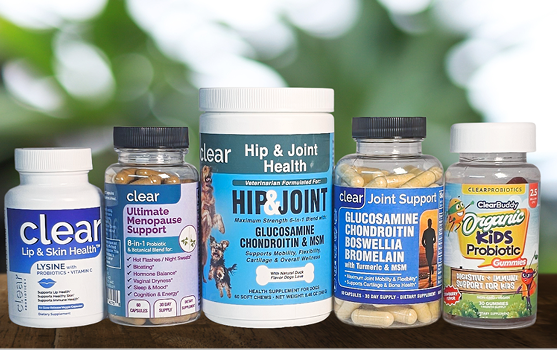
Clear Lip & Skin Health (Clear Wellness 360) addresses the full spectrum of cold sore reactivation biology:
- L-Lysine → arginine competition (Trigger 1)
- Lactobacillus rhamnosus LGG → NK cell support, cortisol-associated immune resilience (Triggers 2, 4, 6)
- Lactobacillus acidophilus → gut microbiome diversity and barrier integrity (Trigger 6)
- FOS prebiotic → sustained probiotic colonization (Trigger 6)
- Vitamin C → immune cofactor, antioxidant UV protection (Triggers 3, 4, 5)
- Delayed-release acid-resistant veggie capsule → ensures probiotic delivery regardless of stomach acid conditions
12 Billion CFU. Vegan, non-GMO, third-party tested. FDA-registered, cGMP-certified USA manufacturing. Two capsules daily, with or without food.
→ View Clear Lip & Skin Health
Frequently Asked Questions
Q: What are the most common cold sore triggers?
The most consistently documented cold sore triggers are: elevated dietary arginine (from chocolate, nuts, and seeds), psychological stress and cortisol elevation, sun and UV exposure to the lip area, immune depression from illness, poor sleep, gut microbiome disruption (particularly after antibiotics), and hormonal changes around the menstrual cycle.
Q: Why does eating chocolate trigger cold sores?
Chocolate has one of the highest arginine-to-lysine ratios of any common food. Consistent L-Lysine supplementation helps maintain the arginine-competition ratio, partially mitigating the effect of arginine-rich foods.
Q: Why do I always get cold sores when I'm stressed?
Because psychological stress elevates cortisol, which suppresses the cellular immunity that keeps latent HSV-1 suppressed. Stress also disrupts the gut microbiome and depletes Vitamin C.
Q: Why do cold sores appear right after finishing antibiotics?
Antibiotics eliminate beneficial gut bacteria, producing acute gut dysbiosis that impairs gut-associated immune function within days. Taking probiotics during and after antibiotic courses directly addresses this mechanism.
These statements have not been evaluated by the Food and Drug Administration. This product is not intended to diagnose, treat, cure, or prevent any disease.
References: Griffith RS et al. (1987). Success of L-lysine therapy in frequently recurrent herpes simplex infection. Dermatologica, 175(4), 183-190. | Reeve VE et al. (1998). Photoimmunology of UV-induced immunosuppression in herpes simplex virus infection. | Cohen F et al. (1999). Immunological and psychological predictors of recurrent HSV infection. | Kiecolt-Glaser JK et al. (2002). Psychoneuroimmunology and psychosomatic medicine.