






Heavy Legs, Cold Hands, and Tired Feet: What Poor Circulation Actually Means and How to Address It
Heavy legs, cold extremities, and persistent fatigue in the lower body are the most common symptomatic presentations of impaired peripheral circulation — conditions in which blood flow to tissues beyond the core is insufficient to meet their metabolic needs. The underlying biology involves reduced vasodilation capacity (the blood vessels cannot widen enough to deliver adequate flow), venous insufficiency (blood pools in the lower legs rather than returning efficiently to the heart), and endothelial dysfunction (the vessel walls have lost their ability to regulate tone and flow). Research supports a multi-compound botanical approach — combining capsaicin (TRPV1-mediated vasodilation), hawthorn berry (endothelial nitric oxide support), beet root nitrate (direct NO precursor), and berberine (AMPK pathway vascular signaling) — as a comprehensive non-pharmaceutical strategy for improving peripheral vascular function and reducing the daily symptoms of poor circulation.
The particular frustration of poor peripheral circulation is that it is rarely taken seriously as a medical concern — it does not produce the dramatic symptoms that send people to emergency rooms, and it is not the kind of problem that shows up clearly on standard blood panels. But the daily quality-of-life impact is real and significant: the legs that feel like lead by afternoon, the hands that are always cold when everyone else is comfortable, the feet that ache and swell after a day at a desk or on a long flight.
These are not minor complaints, and they are not simply a consequence of aging or a sedentary lifestyle. They are the symptomatic expression of specific, addressable biological mechanisms — and understanding those mechanisms is the first step to addressing them effectively.
What Poor Peripheral Circulation Actually Is
Peripheral circulation refers to blood flow beyond the central organs (heart, lungs, brain, liver, kidneys) to the tissues of the extremities — the legs, feet, hands, and arms. Adequate peripheral circulation requires:
- Arterial vasodilation: The small arteries (arterioles) supplying peripheral tissues must be able to dilate in response to metabolic demand, delivering adequate oxygen-rich blood
- Endothelial health: The inner lining of blood vessels must produce sufficient nitric oxide to regulate tone and prevent abnormal platelet aggregation
- Venous return: Blood must move efficiently from peripheral tissues back to the heart through the venous system — a process that works against gravity in the lower body and depends on venous pressure, venous valve function, and the muscular pump of leg movement
- Capillary perfusion: The smallest blood vessels (capillaries) must maintain adequate flow to deliver oxygen and remove metabolic waste products at the tissue level
When any of these processes is impaired, the clinical result is the constellation of symptoms most people recognize as “poor circulation.”
The Four Main Mechanisms Behind Circulation Symptoms
1. Reduced Vasodilation Capacity
The most fundamental determinant of peripheral blood flow is the ability of arterioles — the small resistance vessels controlling flow into peripheral capillary beds — to dilate in response to metabolic demand and neural signals.
This vasodilation is primarily regulated by nitric oxide (NO), a signaling molecule produced by the endothelium. When the endothelium is healthy and metabolic demand is high, NO is produced in sufficient quantities to relax smooth muscle in arteriole walls — widening them and increasing flow.
When endothelial function is impaired — through oxidative stress, chronic low-grade inflammation, elevated homocysteine, poor diet, or the natural aging process — NO production declines. Arterioles cannot dilate as effectively, resting vascular tone is elevated (blood pressure tends to be higher), and peripheral tissues receive less blood flow than their metabolic needs require.
The result: cold extremities (reduced warm arterial blood reaching the hands and feet), muscle fatigue (less oxygen delivery per unit of effort), and slow post-exertion recovery (impaired metabolic waste removal).
2. Venous Insufficiency
Arterial circulation delivers oxygenated blood from the heart to tissues. Venous circulation returns deoxygenated blood from tissues back to the heart. In the lower body, this return journey is entirely against gravity — and it depends on a combination of venous pressure, one-way valves in the veins that prevent backflow, and the muscular pump of leg movement that compresses the veins with each step.
When venous return is impaired — due to prolonged sitting or standing, weakened venous valves, or inadequate venous wall tone — blood pools in the lower legs. This pooling increases hydrostatic pressure in the leg veins and capillaries, forcing fluid out of the vessels and into the surrounding tissue — producing the swelling, heaviness, and aching that are the hallmark symptoms of venous insufficiency.
Prolonged sitting (long flights, desk work, driving) is the most common acute trigger of these symptoms because it eliminates the muscular pump that drives venous return, allowing venous pooling to develop over hours.

3. Endothelial Dysfunction
The vascular endothelium is not merely a passive tube — it is a metabolically active organ that continuously adjusts vascular tone, regulates inflammation, prevents abnormal clotting, and manages the flow of substances between blood and tissue.
Endothelial dysfunction develops gradually under the influence of oxidative stress, inflammatory cytokines, high blood glucose, elevated LDL, and physical inactivity. Most people with symptomatic poor circulation have some degree of endothelial dysfunction — it is the common biological denominator underlying both the arterial and venous dimensions of circulatory impairment.
4. Increased Blood Viscosity and Platelet Aggregation
Blood viscosity — the “thickness” of blood — directly affects how easily it flows through small vessels. Elevated red blood cell aggregation, dehydration, high fibrinogen levels, and excessive platelet aggregation all increase viscosity and impair microcirculatory flow.
The Most Commonly Reported Symptoms and Their Specific Mechanisms
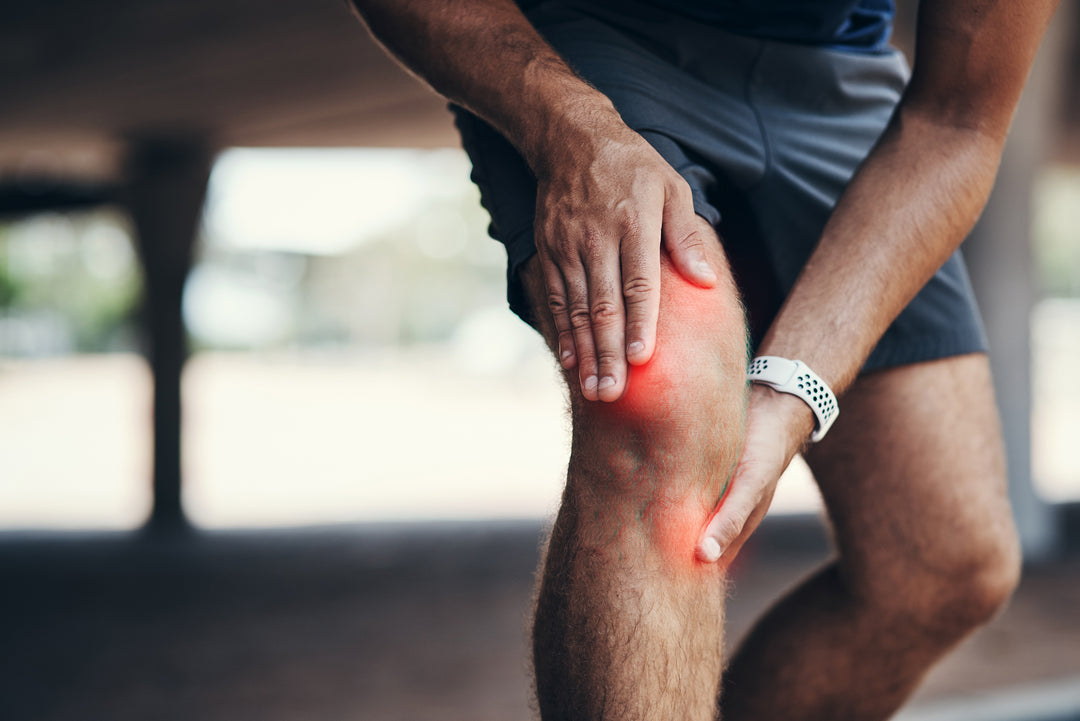
Heavy, Tired Legs by Afternoon
The “heavy leg” phenomenon is primarily driven by venous insufficiency and tissue hypoxia. Blood pools in the lower leg veins, increasing hydrostatic pressure and causing fluid to leak into tissue. Simultaneously, reduced arterial flow means less oxygen delivery to leg muscles.
Cold Hands and Feet
Reduced arteriolar vasodilation capacity means the body preferentially directs blood flow to core organs, restricting peripheral flow. The hands and feet experience the greatest reduction, aggravated by cold temperatures and stress-triggered sympathetic vasoconstriction.
Swollen Ankles and Feet at End of Day
End-of-day ankle and foot swelling is the classic presentation of venous insufficiency combined with impaired lymphatic return. The swelling resolves with overnight horizontal rest but returns progressively with the next day’s upright activity.
Tingling, Numbness, or “Pins and Needles”
When capillary perfusion is impaired, nerves experience relative hypoxia that temporarily disrupts their ability to generate action potentials — producing the tingling and numbness associated with reduced peripheral circulation.
Fatigue Disproportionate to Activity Level
When peripheral tissues receive less oxygen than their metabolic demand requires, they shift toward less efficient anaerobic metabolism — resulting in premature muscle fatigue and slower post-exertion recovery.
The Multi-Compound Approach: Addressing All Four Mechanisms Simultaneously
Capsaicin (TRPV1-CGRP vasodilation pathway) directly addresses the arteriolar vasodilation deficit through CGRP-mediated smooth muscle relaxation.
Hawthorn Berry addresses endothelial health — improving the eNOS-nitric oxide function that governs long-term arteriolar tone.
Beet Root Extract provides a direct nitric oxide precursor through an entirely different metabolic pathway, targeting under-perfused peripheral tissues.
Berberine HCL (AMPK pathway activation) activates AMP-activated protein kinase, improving cellular energy efficiency and promoting eNOS phosphorylation.
Grape Seed Oil (OPC antioxidants) provides oligomeric proanthocyanidins with documented venous tone-supporting effects for venous insufficiency and heavy leg syndrome.
Vitamin E and Vitamin D3 provide antioxidant protection of endothelial membranes and vascular regulatory support.
Lifestyle Factors That Compound Circulatory Symptoms
Prolonged sitting is the single most impactful lifestyle driver of venous insufficiency. Standing or walking for even five minutes per hour significantly reduces venous pooling.
Dehydration increases blood viscosity and reduces plasma volume, both of which impair peripheral circulation.
Compression socks provide external support to venous walls, reducing the pooling that produces swelling.
Smoking is the most powerful single behavioral driver of endothelial dysfunction.
Clear Cayenne Pepper Softgels: Comprehensive Peripheral Circulation Support
Clear Cayenne Pepper Softgels (Clear Wellness 360) were formulated specifically for people experiencing the daily symptoms of impaired peripheral circulation. The 12-compound formula addresses vasodilation, endothelial health, venous tone, and NO production in a single daily serving of three softgels. No caffeine, no stimulants. NSF certified, FDA-registered cGMP facility, independently third-party tested. Non-GMO, soy-free.
→ View Clear Cayenne Pepper Softgels
Frequently Asked Questions
Q: What causes heavy legs and poor circulation?
Heavy, tired legs result from venous insufficiency, arteriolar vasodilation impairment, and tissue hypoxia. The combination of reduced arterial inflow and impaired venous outflow creates the fluid accumulation and metabolic depletion that produces the characteristic heavy, aching, fatigued leg sensation.
Q: Can supplements help with cold hands and feet?
Research supports a meaningful role for capsaicin, hawthorn, and beet root in improving peripheral vasodilation. Consistent daily use over 4–6 weeks produces the most meaningful improvement.
Q: Is poor circulation serious?
Symptomatic poor circulation ranges from a mild quality-of-life issue to a significant indicator of underlying cardiovascular risk. Anyone experiencing significant swelling, pain, skin color changes, or ulceration in the lower extremities should consult a healthcare provider.
Q: How long does it take to improve circulation with supplements?
The acute vasodilatory effects of capsaicin are often noticeable within the first week. The full combination typically produces its most meaningful symptomatic improvement between weeks 6 and 12 of consistent daily supplementation.
These statements have not been evaluated by the Food and Drug Administration. This product is not intended to diagnose, treat, cure, or prevent any disease.
References: Persson IA et al. (2009). Effects of beetroot juice. Journal of Nutrition and Biochemistry. | Rohdewald PJ (2002). A review of the French maritime pine bark extract. International Journal of Clinical Pharmacology and Therapeutics. | Holubarsch CJ et al. (2008). The efficacy and safety of Crataegus extract WS 1442. European Journal of Heart Failure. | Cicero AF & Ertek S (2009). Metabolic effects of berberine. Phytomedicine.