





Why Your Joints Hurt (And What the Research Says About Fixing It)
Why Your Joints Hurt (And What the Research Says About Fixing It)
Joint pain - whether in the knees, hips, back, or hands - is caused by a combination of cartilage degradation, synovial inflammation, and the progressive loss of the structural proteins and lubricating compounds that healthy joints depend on. Research indicates that a multi-compound approach addressing cartilage rebuilding (glucosamine sulfate, chondroitin sulfate), collagen synthesis support (MSM, L-methionine), and inflammatory pathway modulation (Boswellia, turmeric, quercetin, bromelain) produces significantly greater joint health outcomes than single-ingredient supplements - because each mechanism addresses a different dimension of joint deterioration that the others cannot reach.
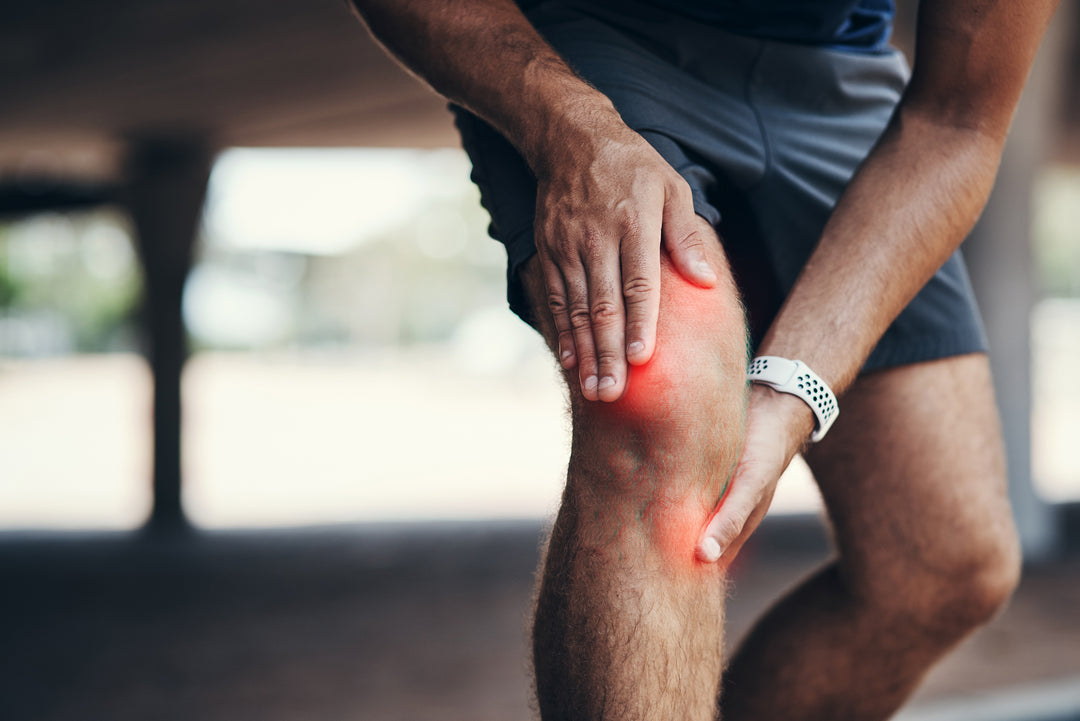
If you have noticed that your knees ache after sitting for too long, that your hips feel stiff in the morning, or that activities you used to do without thinking - climbing stairs, squatting, turning quickly - now come with a moment of hesitation, you are experiencing something that affects an estimated 350 million people worldwide. Joint deterioration is not simply a consequence of aging. It is a biological process with identifiable mechanisms - mechanisms that nutritional science has made meaningful progress in addressing.
This article explains what is actually happening inside a deteriorating joint, why the most common approaches to joint pain fall short, and what the research shows about the nutrients best positioned to interrupt the process.
What Is Actually Happening Inside a Deteriorating Joint
To understand why certain compounds work for joint health, it helps to understand joint anatomy and the specific ways that anatomy breaks down.
The Cartilage Layer
Articular cartilage is the smooth, white connective tissue that covers the ends of bones where they meet at a joint. Its primary function is to provide a low-friction gliding surface and to distribute mechanical load across the joint, protecting the underlying bone from the compressive forces of movement and weight bearing.
Cartilage has a unique and challenging biology: it contains no blood vessels or nerve endings. Nutrients reach cartilage cells (chondrocytes) through diffusion from the synovial fluid - the lubricating liquid that fills the joint capsule. This means cartilage has very limited capacity to repair itself after injury, and the process of cartilage degradation, once begun, tends to be progressive.
Cartilage is composed primarily of water (65–80% by weight), type II collagen (which provides tensile strength), and proteoglycans - large molecules of which aggrecan is the most important, providing compressive stiffness by trapping and holding water within the cartilage matrix.
Glucosamine and chondroitin are the building blocks of these proteoglycans. When cartilage degrades, these compounds are released and lost. Supplementing them provides the raw materials needed for chondrocytes to repair and maintain the cartilage matrix.
The Synovial Membrane and Inflammatory Response
Surrounding each joint is the synovial membrane, which produces synovial fluid. When cartilage is damaged or mechanical stress is excessive, the synovial membrane becomes inflamed - a process mediated by pro-inflammatory cytokines (particularly IL-1β, TNF-α, and IL-6) and enzymes called matrix metalloproteinases (MMPs) that actively degrade cartilage collagen and proteoglycans.
This creates a self-reinforcing cycle: cartilage damage triggers inflammation, and inflammation accelerates cartilage damage. Breaking this cycle requires both structural support (rebuilding cartilage components) and anti-inflammatory intervention (reducing the enzymatic and cytokine activity that drives degradation).
This is why single-ingredient glucosamine supplements, while beneficial for cartilage structure, underperform multi-compound formulas that also address the inflammatory dimension of joint deterioration.
The Collagen Framework
Type II collagen is the scaffold on which the cartilage matrix is built. Collagen synthesis requires specific sulfur-containing amino acids - particularly methionine - as well as methylsulfonylmethane (MSM) as a dietary sulfur source. When collagen synthesis is insufficient, the structural integrity of cartilage diminishes even if proteoglycan levels are maintained.
Why Joint Deterioration Accelerates After 40
Several biological shifts converge in the fourth and fifth decade of life to accelerate joint deterioration:
Declining chondrocyte activity: As we age, chondrocytes (the cells that produce and maintain cartilage matrix) become less metabolically active. They synthesize proteoglycans and collagen more slowly, and their repair response to mechanical stress diminishes. The balance between cartilage synthesis and cartilage breakdown shifts progressively toward net loss.
Reduced synovial fluid production: Hyaluronic acid - the primary lubricating molecule in synovial fluid - is produced in decreasing quantities with age. Thinner, less viscous synovial fluid means less cushioning between joint surfaces and greater friction-driven wear.
Accumulated mechanical stress: Decades of running, squatting, lifting, and simply walking create micro-damage in cartilage that accumulates faster than the body's diminishing repair capacity can address. Athletes and physically active people may experience this earlier than sedentary individuals, but the biological process is universal.
Increased inflammatory baseline: Systemic low-grade inflammation - increasingly recognized as a hallmark of aging ("inflammaging") - creates a more hostile biochemical environment for joint tissue. Elevated circulating cytokines prime the synovial membrane for inflammatory responses that are more intense and less well-regulated than in younger biology.

The 8-Compound Approach: Why More Mechanisms Mean Better Outcomes
The most compelling evidence in joint health research supports a multi-compound approach because joint deterioration operates through multiple simultaneous pathways - and no single compound addresses more than one or two of them effectively.
Glucosamine Sulfate (1,500mg) - Cartilage Matrix Rebuilding
Glucosamine is an amino monosaccharide that is the primary precursor for the synthesis of glycosaminoglycans - the long-chain polysaccharide molecules that form the backbone of aggrecan and other proteoglycans in cartilage. Without sufficient glucosamine, chondrocytes cannot produce adequate proteoglycan to maintain the cartilage matrix's compressive stiffness and water-holding capacity.
The research on glucosamine sulfate - the specific form shown to be most bioavailable - spans more than 20 years of human clinical trials. The landmark GAIT study (Glucosamine/Chondroitin Arthritis Intervention Trial, funded by the NIH) enrolled over 1,500 participants and found that the glucosamine plus chondroitin combination showed significantly greater benefit than placebo for participants with moderate-to-severe knee pain. Multiple European trials using prescription-grade glucosamine sulfate (1,500mg daily) have found statistically significant improvements in pain scores, function, and joint space narrowing over 1–3 year periods.
Glucosamine sulfate potassium - the specific form in a clean, shellfish-free formulation - delivers the sulfate group alongside glucosamine, which contributes additionally to the sulfur availability needed for cartilage synthesis.
Chondroitin Sulfate - Cartilage Hydration and Enzyme Inhibition
Chondroitin sulfate is a sulfated glycosaminoglycan that is the primary structural component of aggrecan - the large proteoglycan molecule responsible for cartilage's ability to resist compression by attracting and retaining water within the matrix.
Chondroitin works through two mechanisms simultaneously: it provides structural building blocks for cartilage proteoglycan synthesis, and it inhibits the matrix metalloproteinase enzymes (particularly MMP-3 and MMP-13) that degrade cartilage collagen. This dual mechanism - structural support plus degradation inhibition - makes chondroitin the essential partner to glucosamine.
Research has found that glucosamine and chondroitin are more effective in combination than either is alone - consistent with their complementary mechanisms. Chondroitin also supports synovial fluid viscosity, contributing to the lubrication layer that reduces friction between joint surfaces.
MSM (Methylsulfonylmethane) - Sulfur for Collagen and Anti-Inflammation
MSM is an organic sulfur compound that provides bioavailable dietary sulfur - a mineral required for the synthesis of collagen, keratin, and the sulfur-containing amino acids (methionine, cysteine) that form the cross-linking bonds that give connective tissue its structural integrity.
Sulfur is a critical component of joint health that is almost never discussed in isolation: it is required for the disulfide bonds in type II collagen, for the sulfation of glycosaminoglycans (which determines their water-holding capacity), and for the glutathione synthesis that protects chondrocytes from oxidative damage.
Beyond structural sulfur provision, MSM has documented anti-inflammatory properties. A 2011 randomized controlled trial published in the International Journal of Medical Sciences found that MSM supplementation significantly reduced pain and improved physical function in adults with knee osteoarthritis compared to placebo.
Turmeric 4:1 Extract - COX-2 and NF-κB Inhibition
Curcumin, the primary bioactive compound in turmeric (Curcuma longa), inhibits two of the most important inflammatory pathways implicated in joint deterioration: the COX-2 enzyme pathway and the NF-κB transcription factor pathway.
COX-2 (cyclooxygenase-2) is the enzyme targeted by NSAID pain medications (ibuprofen, naproxen, celecoxib). COX-2 produces prostaglandins - the inflammatory mediators responsible for pain sensitization and tissue swelling. Curcumin inhibits COX-2 activity through a mechanism similar to NSAIDs, but without the gastrointestinal lining damage and cardiovascular risks associated with long-term NSAID use.
NF-κB (nuclear factor kappa-light-chain-enhancer of activated B cells) is a transcription factor that controls the expression of pro-inflammatory cytokines including IL-1β, IL-6, and TNF-α - the same cytokines that drive synovial inflammation and accelerate cartilage degradation. Curcumin directly inhibits NF-κB activation, reducing the upstream signal that drives the entire inflammatory cascade.
A 4:1 extract provides a 4-fold concentration of curcuminoids compared to raw turmeric powder, delivering meaningful bioactive doses in capsule form.
Boswellia (65% Boswellic Acids) - 5-LOX Pathway Inhibition
Boswellia serrata resin contains boswellic acids - triterpenoid compounds that specifically inhibit 5-lipoxygenase (5-LOX), the enzyme responsible for producing leukotrienes. Leukotrienes are inflammatory mediators in the same family as the compounds targeted by asthma medications - and they are key drivers of the synovial inflammation that causes joint swelling, pain, and cartilage-degrading enzyme production.
Boswellia's 5-LOX inhibition is complementary to turmeric's COX-2 inhibition: together, they block two separate branches of the inflammatory cascade that single-pathway approaches miss entirely. The 65% boswellic acid standardization ensures a clinically relevant concentration of the specific compounds responsible for this effect.
A 2003 randomized, double-blind, placebo-controlled trial published in Phytomedicine found that Boswellia extract significantly reduced knee pain, improved knee flexion, and increased walking distance in osteoarthritis patients compared to placebo - with effects becoming apparent within 4–8 weeks of daily use.
Quercetin - Antioxidant and Cytokine Modulation
Quercetin is a flavonoid found in many plants that functions as a potent antioxidant and anti-inflammatory compound at the cellular level, reducing oxidative stress in chondrocytes and inhibiting the production of pro-inflammatory cytokines through mast cell stabilization and NF-κB pathway modulation.
Chondrocytes under oxidative stress produce less collagen and more degradative enzymes - accelerating cartilage loss. Quercetin's antioxidant activity protects chondrocytes from this oxidative burden, supporting their continued synthetic function. It also inhibits mast cell degranulation - a mechanism that contributes to the swelling and inflammatory flares that characterize active joint inflammation.
Quercetin also enhances the bioavailability of other polyphenols in the formula, including curcumin - making it a force multiplier for the anti-inflammatory activity of the entire stack.
Bromelain - Proteolytic Enzyme for Inflammation and Absorption
Bromelain is a proteolytic enzyme complex derived from pineapple stem (Ananas comosus) that reduces inflammation through enzymatic degradation of pro-inflammatory proteins, reduces swelling by breaking down fibrin deposits in inflamed tissue, and enhances the absorption of other compounds in the formula through its proteolytic activity in the digestive tract.
Bromelain has a dual mechanism: systemic anti-inflammatory effects when absorbed intact (proteolytic enzymes can cross the intestinal epithelium and act systemically at sufficient doses), and bioavailability-enhancing effects for co-administered compounds. Research has shown that bromelain significantly enhances the intestinal absorption of quercetin - making the combination more effective than either alone. Bromelain also enhances glucosamine absorption, directly amplifying the primary structural compound in the formula.
A 2006 review in Evidence-Based Complementary and Alternative Medicine confirmed bromelain's anti-inflammatory effects and its role as a natural complement to NSAID-class compounds for joint inflammation.
L-Methionine - Sulfur Amino Acid for Connective Tissue Synthesis
L-Methionine is an essential sulfur-containing amino acid - the body cannot synthesize it and must obtain it from diet or supplementation - that is a direct precursor for the synthesis of cartilage proteoglycans, collagen cross-linking proteins, and the antioxidant glutathione.
Methionine provides the sulfur backbone required for cartilage synthesis at the cellular level - working synergistically with MSM's dietary sulfur contribution. It also serves as a methyl donor in the methionine cycle, contributing to the methylation reactions required for cellular repair and anti-inflammatory signaling. Research in the 1980s and 1990s found S-adenosylmethionine (SAMe - a derivative of methionine) to be as effective as NSAIDs for osteoarthritis pain in several clinical trials, at lower side-effect burden. L-Methionine provides the precursor substrate from which the body can synthesize SAMe endogenously.
What to Expect: A Realistic Timeline
Joint supplements work through biological repair and anti-inflammatory mechanisms - not pharmaceutical pain blocking. This means a different timeline than an ibuprofen, with fundamentally different long-term implications.
Weeks 2–4: The anti-inflammatory compounds - Boswellia, turmeric, bromelain, and quercetin - begin to modulate the inflammatory environment in joint tissue. Many users notice reduced morning stiffness and a decrease in the low-grade ache that follows activity during this period.
Weeks 4–8: Glucosamine and chondroitin begin to contribute to cartilage matrix maintenance and synovial fluid quality. Range of motion improvements and reduced discomfort during movement become more apparent. The GAIT study and multiple Boswellia trials used 8-week endpoints as the primary assessment period.
Months 3–6: The structural benefits of consistent glucosamine, chondroitin, MSM, and L-methionine supplementation - cartilage proteoglycan density, collagen quality, synovial fluid viscosity - accumulate meaningfully. Multiple long-term trials (1–3 years) have documented measurable improvements in joint space maintenance with continued glucosamine sulfate use.
The key principle: these compounds are most valuable as a daily maintenance strategy rather than an acute pain intervention. The biology of cartilage repair is slow, and the compounds that support it require consistent daily presence to maintain their effects.
Clear Joint Support: 8 Mechanisms in One Formula
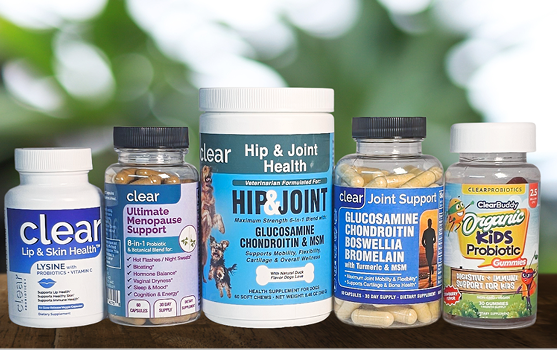
Clear Joint Support (Clear Wellness 360) combines Glucosamine Sulfate Potassium 1,500mg, Chondroitin Sulfate, MSM, Turmeric 4:1 Extract, Boswellia 65% Boswellic Acids, Quercetin, Bromelain, and L-Methionine in a single daily serving of 3 capsules. Shellfish-free glucosamine sourcing. Non-GMO, gluten-free, dairy-free, soy-free. Manufactured in a GMP-certified USA facility with third-party testing for purity and potency.
→ View Clear Joint Support on Amazon
Glossary of Key Terms
Articular Cartilage - The smooth, avascular connective tissue covering the ends of bones at joints. Articular cartilage has no blood supply - nutrients reach it through synovial fluid diffusion - which severely limits its capacity for self-repair. It provides low-friction movement and distributes compressive forces across the joint surface. Progressive articular cartilage loss is the defining feature of osteoarthritis.
Chondrocytes - The cells responsible for producing and maintaining cartilage matrix components including type II collagen and aggrecan proteoglycans. Chondrocyte activity declines with age, shifting the balance between cartilage synthesis and cartilage degradation toward net loss. Glucosamine and chondroitin provide the substrate chondrocytes require for matrix maintenance.
Proteoglycans - Large molecules consisting of a protein core with attached glycosaminoglycan chains (including chondroitin sulfate and keratan sulfate). Aggrecan is the primary proteoglycan in articular cartilage, responsible for the tissue's compressive stiffness by attracting and retaining water within the matrix. Proteoglycan production requires glucosamine as a primary precursor.
Glycosaminoglycans (GAGs) - Long unbranched polysaccharide chains that form the functional components of proteoglycans. Chondroitin sulfate is the dominant glycosaminoglycan in articular cartilage and is a direct building block of the aggrecan molecule that maintains cartilage hydration and compressive resilience.
Matrix Metalloproteinases (MMPs) - Enzymes that degrade the protein components of the extracellular matrix, including type II collagen in cartilage. In healthy joints, MMP activity is regulated and balanced by inhibitors. In inflamed joints, cytokine-driven MMP overexpression accelerates cartilage degradation. Chondroitin sulfate inhibits MMP-3 and MMP-13 - two of the most destructive cartilage-degrading enzymes.
Synovial Fluid - The viscous fluid that lubricates and nourishes the joint, produced by the synovial membrane. Synovial fluid contains hyaluronic acid (which provides viscosity and lubrication), nutrients for cartilage, and immune cells. Inflammation of the synovial membrane (synovitis) impairs synovial fluid quality and volume, directly worsening joint function.
COX-2 (Cyclooxygenase-2) - The enzyme responsible for producing prostaglandins from arachidonic acid. Prostaglandins sensitize pain receptors and drive tissue inflammation. COX-2 is the enzyme targeted by NSAID pain medications (ibuprofen, naproxen, celecoxib). Turmeric's curcuminoids inhibit COX-2 activity, providing natural anti-inflammatory effects through the same enzymatic target.
5-LOX (5-Lipoxygenase) - The enzyme responsible for producing leukotrienes - inflammatory lipid mediators that drive synovial inflammation, swelling, and pain. 5-LOX operates through a pathway parallel to COX-2 that NSAIDs do not target. Boswellic acids specifically inhibit 5-LOX, providing anti-inflammatory coverage that turmeric and NSAIDs cannot.
NF-κB (Nuclear Factor Kappa B) - A transcription factor that controls the gene expression of multiple pro-inflammatory cytokines including IL-1β, IL-6, and TNF-α. NF-κB activation is a central upstream driver of the inflammatory cascade in joint tissue. Curcumin directly inhibits NF-κB activation, reducing the expression of the cytokines that drive synovial inflammation and MMP production.
Boswellic Acids - Triterpenoid compounds extracted from Boswellia serrata resin. The primary active compound, AKBA (acetyl-11-keto-β-boswellic acid), is the most potent 5-LOX inhibitor in the Boswellia extract. Standardization to 65% boswellic acids ensures that a clinically relevant concentration of these compounds is present in each dose.
L-Methionine - An essential sulfur-containing amino acid that serves as a precursor for S-adenosylmethionine (SAMe), cartilage proteoglycan sulfation, collagen cross-linking, and glutathione synthesis. Because it is essential (the body cannot synthesize it), dietary or supplemental provision is required for adequate joint tissue maintenance, particularly in aging adults.
Frequently Asked Questions
Q: What actually causes joint pain as we age?
Joint pain with aging results from a convergence of factors: declining chondrocyte activity (reduced cartilage synthesis), progressive loss of cartilage proteoglycans (which reduces the joint's shock-absorbing capacity), diminished synovial fluid quality and volume (less lubrication), accumulated mechanical micro-damage, and increased systemic inflammatory tone that primes the synovial membrane for more intense inflammatory responses. No single factor is solely responsible - which is why multi-compound approaches addressing cartilage structure, collagen synthesis, and inflammation simultaneously outperform single-ingredient supplements in clinical research.
Q: Does glucosamine actually work for joint pain?
The research on glucosamine sulfate specifically - as distinct from other glucosamine forms - supports its use for joint cartilage maintenance and pain reduction. The NIH-funded GAIT trial found significantly greater benefit for the glucosamine plus chondroitin combination in participants with moderate-to-severe knee pain. Multiple European trials using prescription-grade glucosamine sulfate at 1,500mg daily found measurable improvements in pain, function, and joint space preservation over 1–3 year periods. Results are most consistent for knee and hip joints and most pronounced with 3+ months of consistent daily use.
Q: What is the difference between glucosamine sulfate and glucosamine hydrochloride?
Glucosamine sulfate is the form used in the clinical trials showing the strongest joint health benefits. The sulfate group is not merely a delivery mechanism - sulfate is itself a required component of glycosaminoglycan synthesis in cartilage. Glucosamine hydrochloride lacks this sulfate contribution, which may partly explain why trials using glucosamine HCl have shown less consistent results than those using glucosamine sulfate. For joint health applications, glucosamine sulfate is the evidence-supported form.
Q: Why add Boswellia and turmeric to a glucosamine formula?
Because glucosamine and chondroitin address cartilage structure but do not directly address the inflammatory component of joint deterioration - the synovial inflammation that produces pain and accelerates cartilage breakdown. Boswellia inhibits 5-lipoxygenase (5-LOX), blocking leukotriene production. Turmeric curcuminoids inhibit COX-2 and NF-κB, reducing prostaglandin synthesis and pro-inflammatory cytokine expression. Together, they cover two separate inflammatory pathways that glucosamine cannot reach - making the combination meaningfully more effective than glucosamine alone for both pain relief and long-term joint protection.
Q: Is this formula safe for people who are allergic to shellfish?
Yes. Clear Joint Support uses glucosamine sulfate potassium sourced from a shellfish-free process. Traditional glucosamine is extracted from the shells of shrimp, crab, and lobster. Shellfish-free glucosamine is produced through fermentation of vegetable sources, making it appropriate for people with shellfish allergies or those who avoid animal-derived products.
Q: How long before I notice results from a joint supplement?
The anti-inflammatory compounds in the formula - Boswellia, turmeric, quercetin, and bromelain - tend to produce the earliest noticeable effects, typically within 2–4 weeks of consistent daily use, as morning stiffness and activity-related discomfort begin to decrease. The structural benefits of glucosamine and chondroitin - cartilage matrix support, proteoglycan density, synovial fluid quality - accumulate more gradually. Most clinical trials use 8-week minimum assessment periods, with 3–6 months representing the window for meaningful structural benefit evaluation. Joint supplements produce their most significant outcomes when used consistently as a long-term strategy rather than expecting acute relief.
Q: Can I take joint supplements with NSAIDs or other pain medications?
Glucosamine, chondroitin, MSM, and the herbal compounds in this formula are generally considered compatible with NSAIDs at standard doses. Some people find that as joint supplement benefits accumulate over weeks, their reliance on as-needed NSAIDs decreases. Individuals taking blood-thinning medications (warfarin, aspirin therapy) should be aware that bromelain has mild antiplatelet properties - a brief check with a healthcare provider is the prudent step. Anyone managing a diagnosed joint condition under medical supervision should inform their provider of any supplement additions.
Q: Why take 3 capsules daily instead of 1 or 2?
The therapeutic doses established in clinical research for key compounds are specific: 1,500mg glucosamine sulfate daily and meaningful doses of Boswellia and chondroitin require a volume of material that a single capsule cannot contain at adequate potency without resorting to ultra-high-compression tablets. Three capsules allow each ingredient to be present at a dose that reflects the research evidence, rather than token inclusions that satisfy label marketing without delivering bioactive quantity.
These statements have not been evaluated by the Food and Drug Administration. This product is not intended to diagnose, treat, cure, or prevent any disease.
References: Clegg DO et al. (2006). Glucosamine, chondroitin sulfate, and the two in combination for painful knee osteoarthritis. New England Journal of Medicine, 354(8), 795–808. | Kimmatkar N et al. (2003). Efficacy and tolerability of Boswellia serrata extract in treatment of osteoarthritis of knee. Phytomedicine, 10(1), 3–7. | Brien S et al. (2004). Systematic review of the nutritional supplement Pycnogenol and Bromelain. Evidence-Based Complementary and Alternative Medicine. | Kim LS et al. (2006). Efficacy of methylsulfonylmethane (MSM) in osteoarthritis pain. International Journal of Medical Sciences, 3(1), 13.