





L-Lysine for Cold Sores: The Amino Acid Science Behind Outbreak Prevention
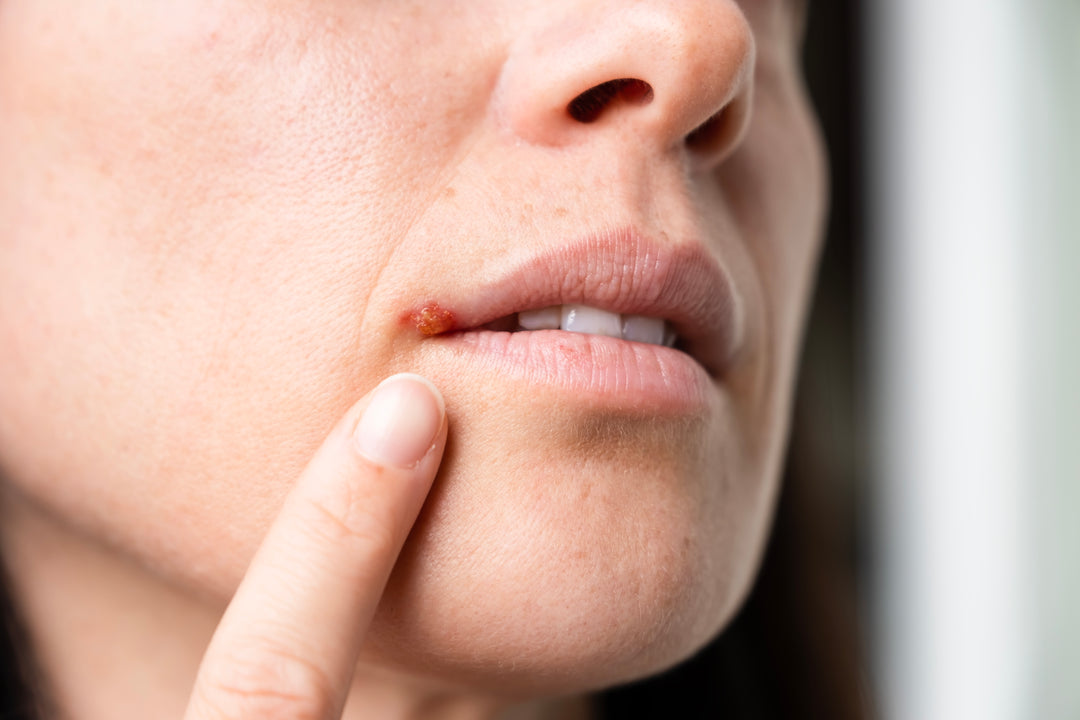
L-Lysine reduces the frequency and severity of cold sore outbreaks by competing directly with arginine - the amino acid that HSV-1 requires for viral replication - at both intestinal absorption sites and cellular uptake channels. Because lysine and arginine share the same cationic amino acid transporters (CAT transporters), elevated dietary lysine reduces the amount of arginine available inside cells, starving the virus of the substrate it needs to replicate. A landmark placebo-controlled trial by Griffith et al. (1987, Dermatologica) found that L-Lysine supplementation at 1,000mg daily significantly reduced the frequency, duration, and severity of recurrent herpes simplex episodes in 65 out of 74 subjects - one of the most cited clinical studies in nutritional cold sore management.
L-Lysine is the most thoroughly researched nutritional intervention for cold sore prevention, with a research history spanning four decades and a mechanistic basis that is as well understood as any natural compound used in wellness supplementation. Yet it is frequently misunderstood - used inconsistently, at inadequate doses, or without the complementary nutritional context that makes it most effective.
This article explains exactly how L-Lysine works, what the research shows, and why combining it with targeted probiotic support and Vitamin C produces meaningfully better outcomes than L-Lysine alone.
What L-Lysine Is and Why the Body Cannot Make It
L-Lysine is an essential amino acid - one of the nine amino acids that the human body cannot synthesize and must obtain through dietary sources or supplementation. It is involved in protein synthesis, collagen production, calcium absorption, carnitine production (relevant to fatty acid metabolism), and immune enzyme function.
Its relevance to cold sore management comes from a specific biochemical competition that occurs at the level of amino acid transport - a relationship between lysine and arginine that is one of the most clinically exploitable amino acid interactions in nutritional medicine.

The Lysine-Arginine Competition: The Mechanism Explained
To understand why L-Lysine works for cold sore prevention, it is necessary to understand how HSV-1 uses arginine - and how lysine disrupts that use.
Why HSV-1 Needs Arginine
Arginine is a semi-essential amino acid that HSV-1 requires at multiple stages of its replication cycle. The virus needs arginine to:
- Synthesize the structural proteins that form its viral capsid (the protein shell enclosing its DNA)
- Complete viral assembly inside infected cells
- Produce the polyamines (spermine and spermidine) that stimulate viral gene expression and replication speed
- Maintain the arginine-rich nuclear localization sequences that allow viral proteins to enter the host cell nucleus
When intracellular arginine is abundant, all of these processes proceed efficiently. When arginine is scarce, viral replication is impaired - fewer viral particles are produced, replication takes longer, and the immune system has more time to mount a response before the outbreak becomes clinically apparent.
This is why diet affects cold sore frequency so consistently: foods high in arginine (chocolate, almonds, walnuts, peanuts, seeds, red meat, most whole grains, soy) create conditions more favorable to viral replication. Foods high in lysine (fish, chicken, eggs, dairy, legumes) or supplemental L-Lysine create competing conditions less favorable to it.
How L-Lysine Competes With Arginine
Lysine and arginine are both cationic (positively charged) amino acids that share the same family of membrane transport proteins - the CAT (cationic amino acid transporter) family - for both intestinal absorption from food and cellular uptake from the bloodstream.
This means the two amino acids are in direct competition at every transport step:
In the intestine: When lysine is present at high concentrations alongside arginine, it competes for the same CAT transporters in the intestinal epithelium. High lysine availability reduces the proportion of arginine that is absorbed into the bloodstream - effectively lowering systemic arginine exposure from dietary sources.
At the cellular level: When lysine is present at high concentrations in the bloodstream, it competes with arginine for uptake into cells through the same CAT transporters on cell membranes. Higher intracellular lysine lowers intracellular arginine concentration - including in the neuronal cells where HSV-1 may be reactivating.
The net result: consistently maintaining a high lysine-to-arginine ratio - through diet and supplementation - reduces the intracellular arginine availability that HSV-1 replication depends on, without any direct antiviral action. It is a competition for substrate, not a pharmaceutical attack on the virus.
This mechanism has several important characteristics:
- It is non-toxic - L-Lysine at supplemental doses has an excellent safety profile; it is an essential nutrient the body uses for multiple normal functions
- It requires consistency - the competition is ongoing; stopping supplementation removes the competitive advantage and allows arginine levels to normalize
- It is dose-dependent - higher lysine intakes produce greater arginine competition; most clinical research has used 1,000–3,000mg daily
The Clinical Research: What the Trials Show
The Griffith et al. Study (1987) - The Foundational Trial
Published in Dermatologica, this is the most-cited clinical trial of L-Lysine for cold sore prevention. 74 subjects with recurrent herpes simplex infections were randomized to L-Lysine (1,000mg daily) or placebo in a double-blind crossover design. Results:
- L-Lysine significantly reduced the frequency of recurrent episodes
- L-Lysine significantly reduced the duration of outbreaks when they did occur
- L-Lysine significantly reduced the severity of outbreaks
- 65 of 74 subjects reported improvement with L-Lysine treatment
The crossover design - where each subject received both treatment and placebo in different periods - is particularly meaningful because it controls for individual variation in outbreak susceptibility. The within-subject comparison showed consistent benefit regardless of baseline outbreak frequency.
The Milman et al. Study (1980) - Higher Dose Evidence
An earlier trial by Milman et al. examined L-Lysine at higher doses (1,248mg daily) in recurrent herpes simplex patients, finding significant reductions in outbreak frequency and symptom severity. This study also noted that the effect was most pronounced in subjects who simultaneously reduced dietary arginine intake - suggesting that the lysine-arginine competition model is strengthened by addressing both sides of the ratio.
The DiGiovanna and Blank Review
A critical review published in Archives of Dermatology (1984) examined the available lysine literature and noted that studies using higher lysine doses (above 1,000mg daily) and simultaneously restricting dietary arginine showed more consistent positive results than those using lower doses without dietary modification. This dose-response relationship is consistent with the competitive mechanism - more lysine produces more effective arginine competition.
Systematic Review Conclusions
A 2017 systematic review in Integrative Medicine: A Clinician's Journal (Mailoo & Rampes) concluded that the existing clinical evidence supports L-Lysine supplementation as a useful intervention for reducing the frequency and severity of HSV-1 recurrences, with the strongest evidence at doses of 1,000mg or more per day and with consistent daily use rather than episodic treatment. The authors noted that the mechanism is well-understood and biologically plausible, and that the favorable safety profile makes it appropriate for long-term daily use.
L-Lysine for Skin Health: Beyond Cold Sore Prevention
L-Lysine's benefits for the lip and skin extend beyond its arginine-competing mechanism. As an essential amino acid, it plays several structural and functional roles in skin health that are clinically relevant.
Collagen Synthesis
L-Lysine is an essential structural component of collagen - the most abundant protein in the human body and the primary structural protein of skin, connective tissue, and the mucosal surfaces of the lips. Collagen synthesis requires lysine in two ways:
First, lysine is incorporated directly into the collagen polypeptide chain as one of its primary amino acid building blocks. Second, lysine is modified (hydroxylated) by the enzyme lysyl hydroxylase - a Vitamin C-dependent enzyme - to form hydroxylysine, which is required for the cross-linking bonds that give collagen its tensile strength and structural stability.
This makes L-Lysine and Vitamin C co-dependent for collagen synthesis - which is one reason combining them in the same formula is more effective than either alone for skin health outcomes including lip tissue integrity, skin elasticity, and wound healing at the site of cold sore lesions.
Adequate L-Lysine is required for:
- Skin structural integrity and barrier function (which affects both cold sore vulnerability and overall skin health)
- Collagen density and elasticity (which determines skin's structural resilience and appearance)
- Wound healing at the site of cold sore lesions (which reduces the visible duration and scarring potential of outbreaks)
Immune Enzyme Support
Lysine is required for the synthesis of carnitine - a molecule involved in fatty acid transport into mitochondria for energy production. Immune cells, including lymphocytes and macrophages that combat viral activity, are highly metabolically active and depend on efficient energy production. Adequate lysine supports the metabolic infrastructure of immune cell function.
Cortisol and Stress Response
Animal models of lysine deficiency have found increased anxiety-like behavior and elevated cortisol responses to stressors - and human supplementation research has confirmed that lysine's role in serotonin receptor function and cortisol regulation may be relevant to stress resilience. Since stress is one of the primary cold sore triggers through its cortisol-mediated immune suppression, lysine's potential cortisol-moderating effects provide an additional layer of mechanism beyond simple arginine competition.
Why L-Lysine Alone Is Insufficient: The Case for Comprehensive Support
The Griffith et al. research showed clear benefit for L-Lysine, but also found that the best results occurred when dietary arginine was simultaneously reduced - suggesting that the arginine-competition mechanism is more effective when supported by other interventions.
The most clinically significant gap in standalone L-Lysine supplementation is the gut-immune dimension. L-Lysine does not address the gut microbiome disruption that impairs the immune surveillance keeping HSV-1 latent. A person with excellent lysine/arginine balance but a disrupted gut microbiome and impaired immune surveillance may still experience reactivation - because the virus only needs the cellular replication substrate (arginine) to be available once immune control fails.
The comprehensive approach addresses both sides of the equation:
- Arginine competition: L-Lysine competing with arginine for cellular uptake, reducing viral replication substrate availability
- Immune surveillance: Lactobacillus rhamnosus and L. acidophilus supporting gut-associated immune function, maintaining the NK cell activity and T-cell surveillance that keeps latent virus suppressed
- Prebiotic substrate: FOS feeding the probiotic strains to sustain microbiome balance
- Immune cofactor: Vitamin C supporting interferon production, lymphocyte function, and collagen-based tissue repair
Each layer addresses a different aspect of the cold sore reactivation biology that L-Lysine alone cannot fully cover.
Clear Lip & Skin Health: L-Lysine at the Foundation of a Complete Formula
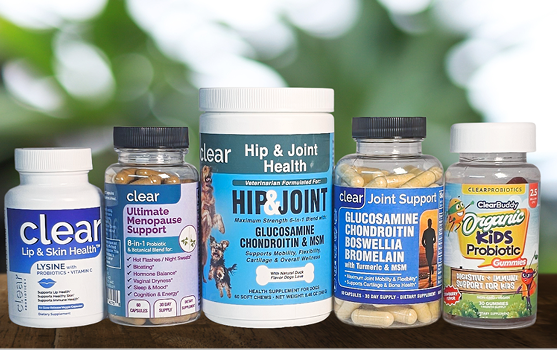
Clear Lip & Skin Health (Clear Wellness 360) delivers L-Lysine alongside Lactobacillus rhamnosus LGG, Lactobacillus acidophilus, Fructooligosaccharides (FOS prebiotic), and Vitamin C at 12 Billion CFU in a delayed-release, acid-resistant veggie capsule. The delayed-release capsule ensures probiotic survival through stomach acid for gut delivery. Vegan, non-GMO, third-party tested. FDA-registered, cGMP-certified USA manufacturing.
→ View Clear Lip & Skin Health
Glossary of Key Terms
L-Lysine - An essential amino acid that the human body cannot synthesize and must obtain from dietary sources or supplementation. L-Lysine serves as a direct competitor with arginine for intestinal absorption and cellular uptake through shared CAT (cationic amino acid transporter) proteins, reducing intracellular arginine availability. It is also a required component of collagen synthesis and plays roles in immune enzyme function, carnitine production, and cortisol regulation.
Arginine - A semi-essential amino acid that HSV-1 requires for replication, including structural protein synthesis, viral assembly, and polyamine production that drives viral gene expression. Arginine is found in high concentrations in chocolate, nuts, seeds, red meat, and whole grains. Reducing intracellular arginine availability - through dietary modification and L-Lysine competition - impairs viral replication capacity.
CAT Transporters (Cationic Amino Acid Transporters) - A family of membrane transport proteins that move positively charged amino acids (including lysine, arginine, and ornithine) across intestinal epithelial membranes and cell membranes. Because lysine and arginine use the same transporters, they compete directly for absorption and cellular uptake. Higher lysine concentrations reduce arginine transport - this is the molecular basis of L-Lysine's mechanism for cold sore prevention.
Lysine-to-Arginine Ratio - The relative balance of lysine and arginine in the diet and in circulation. A high lysine-to-arginine ratio is associated with lower cold sore reactivation frequency because the competitive transport relationship limits the intracellular arginine available for viral replication. Foods with a favorable (high lysine) ratio include fish, chicken, eggs, and legumes; unfavorable (high arginine) foods include nuts, chocolate, and seeds.
Hydroxylysine - A modified form of lysine produced by the enzyme lysyl hydroxylase (which requires Vitamin C as a cofactor) that forms the cross-linking bonds between collagen molecules. Hydroxylysine is required for the tensile strength and structural stability of mature collagen. Adequate lysine and Vitamin C are both required for optimal collagen cross-linking.
Collagen Cross-Linking - The formation of covalent bonds between collagen polypeptide chains that give the resulting collagen fiber its tensile strength and structural integrity. Collagen cross-linking requires hydroxylysine (derived from L-Lysine via Vitamin C-dependent lysyl hydroxylase) and is the process that determines the mechanical quality of collagen in skin, lips, and connective tissue.
Polyamines (Spermine and Spermidine) - Organic compounds synthesized from arginine that stimulate HSV-1 gene expression and accelerate viral replication inside infected cells. Elevated cellular arginine supports polyamine synthesis; reduced arginine (through lysine competition) reduces polyamine availability and slows viral replication kinetics.
Essential Amino Acid - An amino acid that the body cannot synthesize in sufficient quantities and must obtain from dietary sources. The nine essential amino acids include lysine, as well as histidine, isoleucine, leucine, methionine, phenylalanine, threonine, tryptophan, and valine. Because lysine is essential, consistent dietary or supplemental provision is required to maintain adequate systemic concentrations for all of its biological functions, including arginine competition.
Carnitine - A molecule synthesized from lysine and methionine that transports long-chain fatty acids into the mitochondrial matrix for beta-oxidation (energy production). Immune cells are highly metabolically active and depend on efficient fatty acid oxidation for sustained function during immune responses. Adequate lysine supports immune cell energy metabolism through the carnitine synthesis pathway.
Frequently Asked Questions
Q: Does L-Lysine actually work for cold sores?
Yes - with important caveats about form and consistency. The most cited clinical trial (Griffith et al., 1987, Dermatologica) found that L-Lysine at 1,000mg daily significantly reduced outbreak frequency, duration, and severity in 65 of 74 subjects with recurrent herpes simplex. The mechanism is well-characterized: lysine and arginine share the same cellular transporters, so high lysine reduces arginine availability for viral replication. The research is most consistent when L-Lysine is taken daily (not just during outbreaks), at 1,000mg or more, combined with dietary attention to arginine-rich foods.
Q: How much L-Lysine should I take for cold sores?
Clinical research showing the most consistent benefit has used 1,000–3,000mg of L-Lysine daily. For daily maintenance prevention, 1,000mg is the most commonly studied dose. Some practitioners recommend increasing to 3,000mg daily at the first sign of outbreak (the tingling prodrome phase), and returning to the maintenance dose afterward. The key insight from the research literature is that episodic use (only during outbreaks) is less effective than consistent daily maintenance use - because the lysine-arginine competition must be maintained continuously to keep arginine levels chronically low.
Q: What foods should I avoid if I get cold sores?
High-arginine foods are associated with increased cold sore reactivation risk in susceptible individuals. The foods most consistently identified in the literature include: chocolate and cocoa products, almonds, walnuts, and peanuts, seeds (pumpkin, sunflower, sesame), red meat (particularly beef), soy products, and most whole grains. Foods high in lysine and lower in arginine - fish, chicken, eggs, dairy products, and most legumes - support the favorable lysine-to-arginine ratio. The dietary impact is most pronounced during periods of known immune vulnerability (illness, high stress, post-surgery recovery).
Q: Can I take L-Lysine every day long-term?
Yes. L-Lysine has an excellent long-term safety profile established across decades of research. As an essential amino acid used in multiple normal physiological processes - collagen synthesis, carnitine production, immune function - it does not accumulate toxically and is not associated with significant adverse effects at standard supplemental doses. Consistent daily use is recommended over episodic use for cold sore management because the arginine-competition benefit requires continuous maintenance.
Q: Does L-Lysine help with skin quality beyond cold sores?
Yes. L-Lysine is an essential building block of collagen - the primary structural protein of skin. It is required for both collagen synthesis (incorporated directly into collagen polypeptide chains) and collagen cross-linking (as the precursor to hydroxylysine). Adequate L-Lysine supports skin elasticity, structural integrity, wound healing at the site of cold sore lesions, and the broader skin health that determines how well the mucosal barrier resists viral emergence. Combined with Vitamin C (which activates the lysyl hydroxylase enzyme required for cross-linking), L-Lysine produces both antiviral and skin structural benefits.
Q: Why is L-Lysine more effective when combined with probiotics?
L-Lysine addresses the arginine-replication substrate dimension of cold sore reactivation. But reactivation also depends on the immune surveillance capacity that keeps latent HSV-1 suppressed - a capacity substantially governed by gut microbiome health and gut-associated immune function. L-Lysine does not address the gut-immune dimension. Combining L-Lysine with Lactobacillus rhamnosus (which supports NK cell activity and T-cell immune surveillance) and L. acidophilus (which supports microbiome balance and gut barrier integrity) covers both the substrate limitation mechanism and the immune surveillance mechanism - addressing more of the reactivation biology than either approach can reach alone.
These statements have not been evaluated by the Food and Drug Administration. This product is not intended to diagnose, treat, cure, or prevent any disease.
References: Griffith RS et al. (1987). Success of L-lysine therapy in frequently recurrent herpes simplex infection. Dermatologica, 175(4), 183–190. | Milman N et al. (1980). Lysine prophylaxis in recurrent herpes simplex labialis. Acta Dermato-Venereologica, 60(1), 85–87. | Mailoo VJ & Rampes S (2017). Lysine for herpes simplex prophylaxis. Integrative Medicine: A Clinician's Journal, 16(3), 42–46. | Wu G (2009). Amino acids: metabolism, functions, and nutrition. Amino Acids, 37(1), 1–17.