





The Gut-Immune Connection: How Probiotics Reduce Cold Sore Outbreaks
The Gut-Immune Connection: How Probiotics Reduce Cold Sore Outbreaks
The gut microbiome - the community of trillions of microorganisms living in the gastrointestinal tract - directly governs immune system function through the gut-associated lymphoid tissue (GALT), which comprises approximately 70% of the body's total immune cells. Lactobacillus rhamnosus LGG, the primary probiotic strain studied for cold sore management, supports immune function through multiple documented mechanisms: enhancing natural killer (NK) cell activity that eliminates virally infected cells, supporting regulatory T-cell balance, producing immunomodulatory compounds including short-chain fatty acids and specific cell wall components that activate innate immune pathways, and maintaining the gut barrier integrity that prevents inflammatory signals from systemically weakening immune surveillance. A gut microbiome optimized by targeted probiotic and prebiotic support creates a more robust biological environment for keeping latent HSV-1 suppressed - making probiotic-based cold sore prevention one of the most scientifically coherent inside-out approaches in nutritional medicine.
The statement "cold sore defense starts in the gut" sounds counterintuitive at first. Cold sores appear on the lip. The virus is in the trigeminal nerve. What does the gut have to do with it?
The answer lies in understanding that cold sores are not primarily a dermatological problem - they are primarily an immune regulation problem. The virus is always present. The lip is always there. What determines whether an outbreak occurs is whether the immune system is effectively maintaining the suppression of a latent virus. And the gut, as the body's largest immune organ, is central to that maintenance.
The Gut as an Immune Organ: Why This Matters for Viral Control
The gastrointestinal tract is not just a digestive tube. It is the body's most complex immune interface - a system that must continuously distinguish between harmless food antigens, beneficial commensal bacteria, and genuine pathogens, all while maintaining a physical barrier between the microbial world of the gut and the sterile internal environment of the body.
The immune infrastructure of the gut is enormous:
- The gut-associated lymphoid tissue (GALT) contains approximately 70% of the body's total lymphocytes and immune cells
- Peyer's patches - clusters of immune tissue embedded in the intestinal wall - continuously sample gut content and train adaptive immune responses
- The lamina propria contains the highest density of IgA-producing plasma cells in the body - IgA is the primary antibody of mucosal immunity
- Intraepithelial lymphocytes (IELs) - a distinct population of immune cells - line the intestinal epithelium and provide immediate innate immune defense
This immune infrastructure does not operate locally only. The GALT communicates with systemic immunity through soluble mediators (cytokines), through immune cells that circulate from gut lymphoid tissue to peripheral lymph nodes, and through the gut-brain axis. The immunological state of the gut - which is substantially determined by the composition and health of the gut microbiome - influences systemic immune function including the viral surveillance capacity relevant to HSV-1 control.

How Gut Dysbiosis Weakens Viral Surveillance
Gut dysbiosis - an imbalance in the gut microbiome characterized by reduced diversity, overgrowth of pathogenic or opportunistic bacteria, and reduction in beneficial Lactobacillus and Bifidobacterium populations - has wide-ranging effects on immune function that are directly relevant to cold sore management.
Reduced NK Cell Activity
Natural killer (NK) cells are innate immune lymphocytes that patrol the body for virally infected cells and destroy them without requiring prior sensitization. NK cells are among the most important immune effectors for controlling HSV-1 at the site of reactivation - their ability to rapidly eliminate the first neurons showing viral replication can contain an outbreak before it becomes clinically apparent.
Gut microbiome composition directly influences circulating NK cell activity. Studies examining germ-free mice (with no gut bacteria) find dramatically impaired NK cell numbers and function - a finding that underscores the dependence of innate immune function on microbiome input. In humans, Lactobacillus rhamnosus specifically has been shown to enhance NK cell cytotoxic activity in multiple clinical studies.
Impaired T-Cell Immune Surveillance
The adaptive immune arm most relevant to HSV-1 control is the CD8+ cytotoxic T lymphocyte (CTL) population - specifically the CTLs that reside in the trigeminal ganglion and directly suppress viral reactivation at the site of latency. These cells require ongoing cytokine signaling from the innate immune system (particularly type I interferons and IL-12) to maintain their surveillance activity.
Gut dysbiosis impairs the production of these cytokine signals by reducing the stimulatory input that beneficial gut bacteria provide to immune cells in the GALT. Lactobacillus strains are among the strongest bacterial stimulators of type I interferon and IL-12 production - which directly supports the CTL surveillance capacity that keeps latent HSV-1 suppressed.
Gut Barrier Breakdown and Systemic Inflammation
A healthy gut microbiome maintains the tight junction proteins that seal the gut epithelium, preventing large molecules and bacterial products from leaking into the bloodstream - a condition sometimes called "leaky gut" in popular literature, more precisely termed increased intestinal permeability.
When the gut barrier is compromised by dysbiosis, bacterial lipopolysaccharides (LPS) and other microbial products enter systemic circulation and trigger a chronic low-grade inflammatory response - elevating pro-inflammatory cytokines including TNF-α and IL-6. This systemic inflammatory state impairs the regulatory immune balance that keeps the HSV-1 immune response precisely calibrated: enough activity to keep the virus suppressed, but not so much that it produces autoimmune consequences.
Lactobacillus rhamnosus and L. acidophilus both support tight junction integrity in the gut epithelium - directly reducing the permeability-driven systemic inflammatory signal that contributes to immune dysregulation.
Lactobacillus Rhamnosus LGG: The Research Behind the Strain
Lactobacillus rhamnosus LGG (ATCC 53103) is the most clinically studied probiotic strain in the world, with more published human clinical trials than any other single probiotic species. Its immune-specific mechanisms are among the most thoroughly characterized in the probiotics literature.
Immune Mechanisms of L. Rhamnosus LGG
NK Cell Enhancement: Multiple clinical studies have found that L. rhamnosus supplementation increases NK cell cytotoxic activity. A study in the European Journal of Clinical Nutrition (2010) found that L. rhamnosus significantly increased NK cell activity in healthy adults - an effect sustained throughout the supplementation period.
Regulatory T-Cell (Treg) Support: Regulatory T cells prevent excessive immune activation and maintain tolerance to commensal bacteria while allowing appropriate responses to pathogens. L. rhamnosus has been shown to support Treg differentiation and IL-10 production - supporting the immune regulatory balance that allows effective viral surveillance without chronic inflammatory activation.
Type I Interferon Induction: Type I interferons (IFN-α, IFN-β) are the primary antiviral cytokines produced in the early stages of viral reactivation. They signal adjacent cells to enter an antiviral state, limiting viral spread before adaptive immune responses activate. L. rhamnosus stimulates the pattern recognition receptors (particularly TLR-2 and TLR-6) that trigger type I interferon production in gut epithelial cells and GALT immune cells.
IgA Production: Secretory IgA (sIgA) is the mucosal antibody that provides the first line of immune defense at mucosal surfaces including the lip and oral cavity - exactly the surfaces where HSV-1 emerges during outbreaks. L. rhamnosus has been shown to support sIgA production in the gut and systemically, potentially contributing to better mucosal immune defense at the outbreak site.
L. Rhamnosus and Viral Outbreak Management
The most directly relevant clinical research examines L. rhamnosus in the context of viral outbreak management. A study examining Lactobacillus rhamnosus in the context of recurrent herpes labialis found that subjects supplementing with this strain experienced reduced frequency, duration, and severity of lip outbreaks compared to controls. The mechanism proposed was improved NK cell-mediated viral surveillance reducing the proportion of reactivation events that progress to full clinical outbreaks.
Lactobacillus Acidophilus: Microbiome Diversity and Barrier Support
Lactobacillus acidophilus is one of the most common and well-established probiotic species, playing a complementary role to L. rhamnosus through distinct but synergistic mechanisms.
Microbiome Ecosystem Support
L. acidophilus supports gut microbiome diversity by producing lactic acid and bacteriocins - compounds that create an environment less hospitable to pathogenic bacteria and more hospitable to other beneficial species. A more diverse, stable microbiome is more resilient to the dysbiosis triggered by antibiotics, stress, poor diet, and illness - the same events that are associated with cold sore reactivation.
Gut Barrier Integrity
L. acidophilus supports the expression of tight junction proteins (claudin-1, occludin, and ZO-1) in the intestinal epithelium, maintaining the gut barrier that prevents LPS and inflammatory triggers from entering the bloodstream. Studies in both animal models and human clinical settings have found that L. acidophilus supplementation reduces markers of intestinal permeability.
Immune Modulation
L. acidophilus activates pattern recognition receptors on gut epithelial cells and dendritic cells, stimulating the production of IL-10 (anti-inflammatory) and IL-12 (pro-cell-mediated immunity) in a pattern that promotes regulatory immune balance rather than the dysregulated inflammatory response associated with increased viral reactivation risk.
Fructooligosaccharides (FOS): The Prebiotic That Makes Probiotics Last
Fructooligosaccharides (FOS) are non-digestible dietary fibers that serve as preferential fuel sources for Lactobacillus and Bifidobacterium species in the large intestine - they are the prebiotic substrate that sustains the probiotic strains in the formula and determines whether they establish durable colonization or pass through transiently.
The distinction between probiotic strains that transiently pass through and those that establish meaningful colonization is clinically important. Without adequate prebiotic substrate, probiotic bacteria may produce measurable immune effects during supplementation but fail to establish the durable microbiome shift that produces long-term improvements in gut-immune function.
FOS supports Lactobacillus colonization through several mechanisms:
- Competitive exclusion: FOS-fed Lactobacillus populations are more metabolically active and occupy gut epithelial binding sites more effectively, outcompeting pathogenic bacteria
- Short-chain fatty acid production: FOS fermentation by Lactobacillus produces butyrate, propionate, and acetate - short-chain fatty acids that directly nourish intestinal epithelial cells, support tight junction integrity, and have immunomodulatory effects on GALT immune cells
- pH reduction: Fermentation products create a lower-pH gut environment less hospitable to pathogenic bacteria and more supportive of ongoing probiotic colonization
Including FOS alongside the probiotic strains in the same formula is the critical formulation decision that determines whether the probiotic supplement produces sustained gut microbiome benefit rather than a temporary, dose-dependent effect that resolves when supplementation stops.
Vitamin C: The Immune Cofactor That Completes the System
Vitamin C (ascorbic acid) is a water-soluble antioxidant and essential cofactor for multiple immune functions directly relevant to cold sore management:
Interferon production: Vitamin C supports the production of type I interferons - the first-line antiviral cytokines that signal an antiviral state in cells surrounding a viral reactivation event. Higher Vitamin C status supports more rapid and robust interferon responses.
Lymphocyte function: Vitamin C accumulates to high concentrations in immune cells, particularly lymphocytes and phagocytes. Immune cells have active transport mechanisms that concentrate ascorbate 10-100 times above plasma concentrations - reflecting a high cellular requirement for antioxidant protection during the oxidative burst of immune activity.
Skin and mucosal integrity: Vitamin C is the required cofactor for lysyl hydroxylase and prolyl hydroxylase - the enzymes that produce the hydroxylated amino acids needed for collagen cross-linking. Adequate Vitamin C ensures that L-Lysine's collagen-building function (providing the raw material) is matched by the enzymatic function (building the cross-links). Together, they support the structural integrity of the lip tissue and mucosal barrier that limits viral emergence.
Antioxidant protection during outbreaks: When an outbreak does occur, the local immune response generates oxidative species that can damage healthy tissue alongside the infected cells. Vitamin C provides antioxidant support that limits bystander tissue damage and supports faster resolution.
Clear Lip & Skin Health: The Complete Gut-Immune Defense System
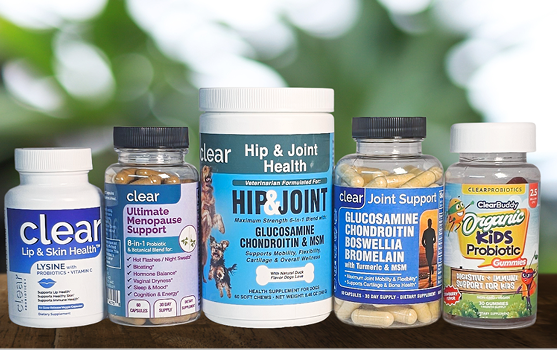
Clear Lip & Skin Health (Clear Wellness 360) is built on the gut-immune model of cold sore prevention - targeting the biological root of reactivation frequency rather than just its consequences. L-Lysine addresses arginine competition; Lactobacillus rhamnosus LGG and L. acidophilus at 12 Billion CFU support the gut-immune axis; FOS sustains probiotic colonization; Vitamin C supports interferon production, lymphocyte function, and collagen integrity. Delivered in a delayed-release, acid-resistant veggie capsule that protects probiotic viability through stomach acid. Vegan, non-GMO, third-party tested. FDA-registered, cGMP-certified USA manufacturing.
→ View Clear Lip & Skin Health
Glossary of Key Terms
Gut-Associated Lymphoid Tissue (GALT) - The immune tissue associated with the gastrointestinal tract, comprising approximately 70% of the body's total immune cells, including lymphocytes, NK cells, plasma cells, and dendritic cells.
Natural Killer (NK) Cells - Innate immune lymphocytes that recognize and destroy virally infected cells without requiring prior sensitization. NK cells are among the most important immune effectors for controlling HSV-1 at the point of reactivation.
Lactobacillus Rhamnosus LGG - The most clinically studied probiotic strain in the world (ATCC 53103), with published human clinical trials documenting NK cell enhancement, regulatory T-cell support, type I interferon induction, and IgA production.
Lactobacillus Acidophilus - A well-established probiotic species that supports gut microbiome diversity, maintains gut barrier integrity, and modulates GALT immune function. Complements L. rhamnosus LGG through distinct but synergistic mechanisms.
Fructooligosaccharides (FOS) - Non-digestible prebiotic dietary fibers that selectively feed Lactobacillus and Bifidobacterium species in the large intestine, sustaining probiotic colonization and producing short-chain fatty acids that support gut barrier and immune function.
Gut Dysbiosis - An imbalance in the gut microbiome that impairs GALT function, reduces NK cell activity, weakens gut barrier integrity, and creates systemic inflammatory signals that reduce immune surveillance of latent HSV-1.
Type I Interferons (IFN-α/β) - The primary antiviral cytokines produced early in response to viral replication. Both Lactobacillus rhamnosus (through TLR activation in GALT) and Vitamin C support type I interferon production.
Short-Chain Fatty Acids (SCFAs) - Metabolic products of prebiotic fermentation (butyrate, propionate, acetate) that nourish intestinal epithelial cells, support tight junction integrity, and have broad immunomodulatory effects on GALT immune cells.
Frequently Asked Questions
Q: Can probiotics really help prevent cold sores?
Research supports the connection between gut microbiome health and cold sore recurrence frequency through the gut-immune axis. Approximately 70% of the body's immune cells are gut-associated, and the probiotic strains with the most documented immune relevance - particularly Lactobacillus rhamnosus LGG - have been shown to enhance NK cell activity, support regulatory T-cell balance, and improve the immune surveillance capacity relevant to viral suppression.
Q: What is the best probiotic strain for cold sores?
Lactobacillus rhamnosus LGG has the most directly relevant published research for immune-mediated viral management, including documented NK cell enhancement, type I interferon support, and regulatory T-cell modulation. Lactobacillus acidophilus provides complementary gut barrier and microbiome diversity support that synergizes with LGG's immune-specific activity.
Q: Why does taking antibiotics trigger cold sore outbreaks?
Antibiotics eliminate beneficial gut bacteria alongside the target pathogen - producing significant gut dysbiosis that impairs GALT function, NK cell activity, and the broader systemic immune competence that keeps latent HSV-1 suppressed. Probiotics taken during and after antibiotic courses can help restore microbiome balance.
Q: How long does it take for probiotics to help with cold sores?
Meaningful changes in gut microbiome composition and GALT immune function typically develop over 4-8 weeks of consistent daily use. Most people notice a reduction in outbreak frequency beginning around weeks 6-12 of consistent use, with continued improvement over the following months.
Q: Does stress really affect cold sore frequency, and can probiotics help?
Yes on both counts. Psychological stress elevates cortisol, which directly suppresses NK cell activity and type I interferon production. Probiotics, particularly L. rhamnosus, have been shown to moderate the gut barrier disruption caused by stress, providing some buffer against stress-driven immune suppression.
Q: Should I take a higher CFU dose for cold sore prevention?
12 Billion CFU is a clinically relevant dose for immune-specific probiotic applications. Higher CFU counts are not necessarily more effective - efficacy depends on strain identity, survivability, and colonization capacity. The delayed-release acid-resistant capsule ensures a high proportion of CFU reach the gut alive.
These statements have not been evaluated by the Food and Drug Administration. This product is not intended to diagnose, treat, cure, or prevent any disease.
References: Leyer GJ et al. (2009). Probiotic effects on cold and influenza-like symptom incidence and duration. Pediatrics. | Boge T et al. (2009). A probiotic fermented dairy drink improves antibody response to influenza vaccination in elderly. Vaccine, 27(41). | Gill HS et al. (2001). Enhancement of immunity in the elderly by dietary supplementation with the probiotic Bifidobacterium lactis. American Journal of Clinical Nutrition. | Vighi G et al. (2008). Allergy and the gastrointestinal system. Clinical and Experimental Immunology.