





Why Cold Sores Keep Coming Back (And What You Can Do About It From the Inside)
Cold sores recur because HSV-1 - the herpes simplex virus responsible for oral cold sore outbreaks - establishes permanent latent residence in the trigeminal nerve ganglion after initial infection, where it cannot be eliminated by the immune system or any currently available antiviral. Recurrent outbreaks occur when the virus reactivates under specific biological conditions: elevated arginine levels (the amino acid HSV-1 requires to replicate), gut microbiome imbalance (which impairs the immune surveillance that keeps the virus suppressed), immune system weakness, and environmental triggers including stress, UV exposure, and hormonal fluctuation. A daily approach targeting all of these reactivation triggers simultaneously - through L-Lysine's arginine-competing mechanism, targeted probiotic strains (Lactobacillus rhamnosus, Lactobacillus acidophilus), prebiotic FOS, and Vitamin C - addresses the biology of recurrence rather than simply treating active outbreaks after they appear.
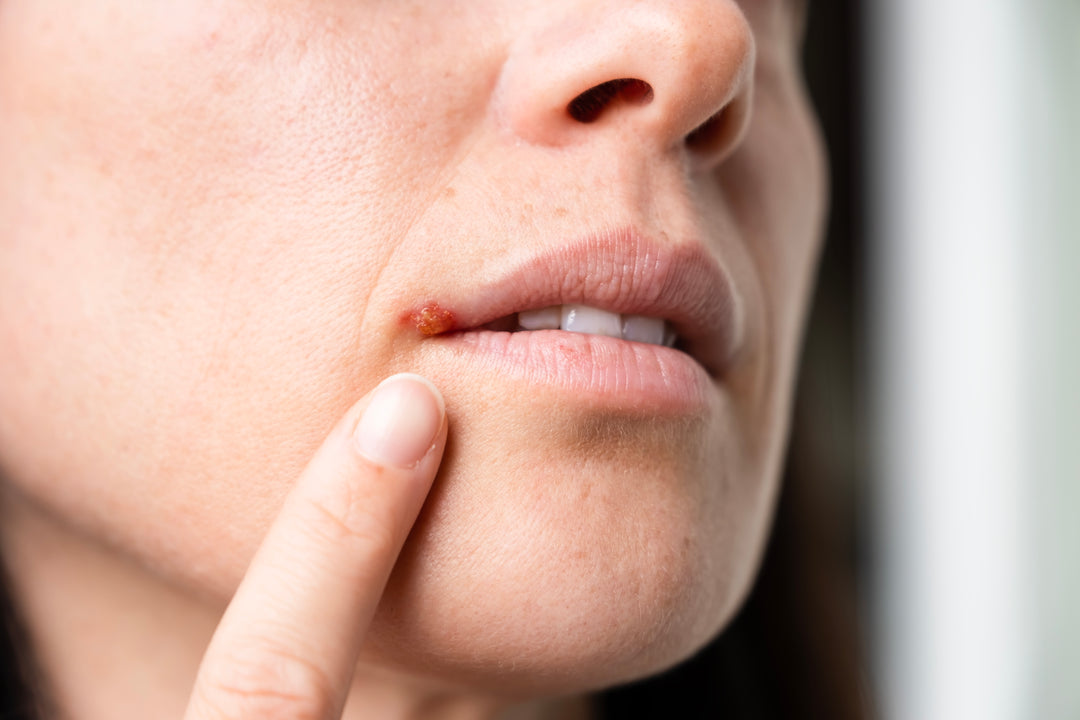
If you have ever felt that familiar tingling sensation at the corner of your lip - the warning sign that arrives before the blister does - you understand the particular frustration of cold sore recurrence. You may have used topical creams, antiviral prescriptions, or L-lysine tablets, with varying results. And yet, months later, another outbreak appears.
The reason comes down to a biological reality that is poorly understood by most people who experience it: the virus causing your cold sores is not going away. It is permanently resident in your nervous system, waiting for the right biological conditions to reactivate. This is not a failure of your immune system - it is an extraordinarily successful viral survival strategy that has co-evolved with humans for millennia.
But understanding this biology also reveals why certain approaches are more effective than others - and why comprehensive, daily, inside-out prevention is fundamentally different from reactive topical treatment.
The Biology of HSV-1: Why the Virus Never Leaves
HSV-1 (Herpes Simplex Virus Type 1) is a double-stranded DNA virus that infects an estimated 67% of the global population under age 50, making it one of the most prevalent viral infections in human history. The majority of people who carry HSV-1 experience few or no symptomatic outbreaks; a significant minority experience recurrent outbreaks that are painful, visible, and socially disruptive.
The primary infection - typically acquired in childhood through oral contact - involves active viral replication in the lip and oral mucosa, producing the classic blister. The immune system mounts a response, clears the active infection, and the visible outbreak resolves. But the virus is not eliminated.
During primary infection, HSV-1 travels along the sensory nerve fibers from the lip to the trigeminal ganglion - a cluster of nerve cell bodies located behind the cheekbone. There, it enters a state of latency: the viral genome is maintained inside the neuron's nucleus without active replication, producing only a small set of latency-associated transcripts (LATs) that are invisible to immune surveillance. The immune system cannot see or eliminate a latent virus sheltering inside nerve cells.
This latent state is the fundamental reason cold sores recur. The virus is permanently resident. What changes between quiet periods and outbreaks is not the presence or absence of the virus - it is whether the biological conditions favor reactivation.

The Reactivation Triggers: What Wakes the Virus Up
HSV-1 reactivation is driven by a specific set of biological signals that the virus has evolved to detect as indicators of host stress or vulnerability. Understanding these triggers is the foundation of a prevention strategy.
Elevated Arginine: The Viral Fuel
Arginine is an amino acid that HSV-1 requires to replicate. The virus needs arginine to produce its structural proteins and to complete viral assembly during active replication. When cellular arginine levels are elevated, the conditions for viral replication improve significantly.
Dietary sources of arginine include: chocolate, nuts (particularly almonds, walnuts, and peanuts), seeds, red meat, whole grains, soy products, and most legumes. For people with HSV-1, high dietary arginine consumption is a well-documented outbreak trigger - and this is the dietary basis for most traditional cold sore management advice about avoiding nuts and chocolate.
The arginine trigger connects directly to L-Lysine's mechanism, which is covered in depth in the next article in this cluster.
Gut Microbiome Imbalance
This is the most underappreciated trigger in cold sore recurrence, and it is the biological rationale for the probiotic-centered approach that distinguishes this formula from simple L-Lysine supplements.
Approximately 70% of the body's immune tissue is gut-associated. The gut-associated lymphoid tissue (GALT) coordinates both innate and adaptive immune responses, including the viral surveillance capacity that keeps HSV-1 suppressed in its latent state. When the gut microbiome is disrupted - by stress, antibiotic use, poor diet, or the natural microbiome aging process - GALT function is impaired, immune surveillance weakens, and the threshold for viral reactivation decreases.
Research specifically examining Lactobacillus rhamnosus - the primary probiotic strain in this formula - has found that it supports immune regulatory function through multiple mechanisms: enhancing natural killer (NK) cell activity (which eliminates virally-infected cells), supporting regulatory T-cell balance, and maintaining the gut barrier integrity that prevents systemic inflammatory signals from weakening systemic immune surveillance. A stronger gut-immune system raises the biological threshold at which HSV-1 can reactivate.
Immune System Weakness
HSV-1 reactivation is strongly correlated with immune system depression - which is why outbreaks commonly follow periods of illness, sleep deprivation, psychological stress, or significant physical exertion. Each of these situations temporarily suppresses the cell-mediated immunity that keeps latent HSV-1 controlled.
The specific immune cells most relevant to HSV-1 suppression are CD8+ T lymphocytes - cytotoxic T cells that reside in the trigeminal ganglion and directly suppress viral reactivation at the site of latency. When systemic immune competence falls, the local surveillance capacity of these cells is reduced, and the virus can begin replication before the immune response is restored.
Stress and Cortisol
Psychological stress produces elevated cortisol, which is directly immunosuppressive. Cortisol reduces lymphocyte proliferation, suppresses natural killer cell activity, and reduces the production of type I interferons - the antiviral cytokines that represent the immune system's first line of defense against viral replication. Chronic stress is one of the most consistent predictors of increased cold sore outbreak frequency.
This creates a compounding cycle: stress depletes immune competence → HSV-1 reactivates → the visible outbreak adds psychological stress → cortisol remains elevated → recovery is slower and the next outbreak threshold is lower.
UV Exposure
Ultraviolet radiation from sun exposure is among the most reliably documented physical triggers for cold sore reactivation. UV radiation directly damages the lip epithelium and produces local immunosuppression in the irradiated tissue - creating a window of reduced immune surveillance at exactly the site where HSV-1 will attempt to emerge. Sun-related outbreaks are particularly common in people who spend extended time outdoors, and are the reason that sun protection for the lips (SPF lip balm) is recommended as a physical prevention strategy alongside nutritional approaches.
Hormonal Changes
Hormonal fluctuations - particularly the estrogen and progesterone changes associated with the menstrual cycle - affect immune function in ways that can lower the threshold for viral reactivation. Many women report a consistent pattern of cold sore outbreaks at specific points in their cycle, and this is a well-recognized phenomenon consistent with the known immunomodulatory effects of sex hormones on cellular immunity.
Why Topical Treatments Are Inherently Limited
Understanding the biology above reveals why topical creams, lip patches, and even prescription topical antivirals can only do so much.
Topical treatments work at the surface - at the visible blister. But the reactivation event that produces the blister has already occurred deeper in the nervous system, before any surface symptoms appear. By the time the tingling sensation arrives, the virus has already reactivated at the ganglion level, traveled down the nerve fiber, and begun replicating in the lip tissue. The blister is the end stage of a process that started days earlier.
Topical treatments are reactive interventions applied to the consequence of viral reactivation, not the cause. They can reduce healing time, reduce discomfort, and limit the severity of the visible outbreak. What they cannot do is address the arginine levels, gut microbiome balance, or immune competence that determine whether reactivation occurs in the first place.
Prescription oral antivirals (acyclovir, valacyclovir) are more effective than topicals because they act systemically - interrupting viral replication at an earlier point in the process. They are a meaningful intervention for people with frequent, severe outbreaks. But they also require a prescription, carry potential side effects with long-term use, and do not address the underlying biological conditions that make the virus more or less likely to reactivate.
A daily nutritional approach targeting the root reactivation biology - arginine balance, gut immunity, systemic immune competence - is not an alternative to these treatments; it is a complementary, preventive layer that addresses the question they do not answer: why does reactivation keep happening?
The Inside-Out Approach: Addressing All Reactivation Triggers Daily
The formula for a comprehensive daily cold sore defense addresses each reactivation mechanism simultaneously:
L-Lysine competes with arginine for intestinal absorption and cellular uptake, reducing the intracellular arginine availability that HSV-1 replication depends on.
Lactobacillus rhamnosus LGG supports gut-associated immune function, NK cell activity, and regulatory T-cell balance - strengthening the systemic immune surveillance that keeps latent HSV-1 suppressed.
Lactobacillus acidophilus supports gut microbiome diversity and barrier integrity, reducing the dysbiosis-driven immune impairment that lowers outbreak thresholds.
Fructooligosaccharides (FOS prebiotic) feed and sustain both probiotic strains in the gut, making the microbiome support ongoing and self-reinforcing rather than requiring a constantly increasing probiotic dose.
Vitamin C supports immune cell function - particularly lymphocyte proliferation and interferon production - and contributes to skin and mucosal integrity, the physical barrier that limits viral emergence at the lip surface.
Delayed-release acid-resistant veggie capsule ensures that the probiotic strains survive transit through stomach acid and reach the small and large intestine where they can colonize and exert their immune-modulating effects. A probiotic that is destroyed by stomach acid before reaching the gut cannot provide its documented immune benefits.
What Consistent Daily Use Actually Means
The key word in any description of this approach is "daily." The inside-out strategy for cold sore defense is not an acute intervention - it is a daily maintenance practice that builds a biological environment less hospitable to viral reactivation.
The first 4-8 weeks of consistent daily use are the period in which the gut microbiome begins to shift toward the probiotic-supported balance that underlies improved immune surveillance. Microbiome changes do not happen overnight; they are the product of consistent daily probiotic and prebiotic provision.
By weeks 6-12, most users who were experiencing regular outbreaks report a reduction in frequency, and many report that outbreaks they do experience are shorter in duration and less severe - consistent with a strengthened immune response that catches viral reactivation earlier and resolves it more quickly.
Long-term daily use maintains the gut microbiome balance, L-Lysine availability, and Vitamin C-supported immune competence that defines the lowest-reactivation-risk biological state achievable through nutritional intervention.
The biology of cold sore recurrence is not going to change - HSV-1 is permanent. But the biological conditions that determine whether it reactivates are significantly modifiable. Daily consistent support of those conditions is the most rational, evidence-aligned approach to cold sore defense available outside of prescription pharmaceuticals.
Clear Lip & Skin Health: Cold Sore Defense From the Gut
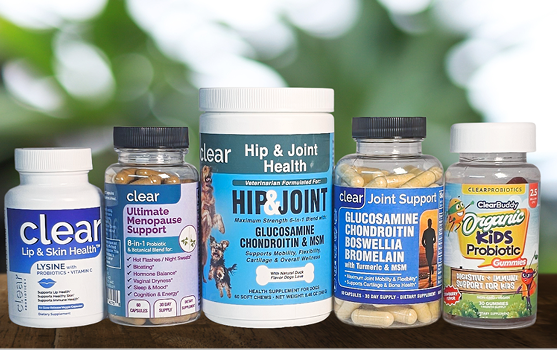
Clear Lip & Skin Health (Clear Wellness 360) combines L-Lysine, Lactobacillus rhamnosus LGG, Lactobacillus acidophilus, Fructooligosaccharides (FOS), and Vitamin C at 12 Billion CFU in a delayed-release, acid-resistant veggie capsule. Vegan, non-GMO, third-party tested for purity and potency. Manufactured in an FDA-registered, cGMP-certified USA facility. Two capsules daily, with or without food.
→ View Clear Lip & Skin Health
Glossary of Key Terms
HSV-1 (Herpes Simplex Virus Type 1) - A double-stranded DNA virus that causes oral cold sores (fever blisters) and is estimated to infect approximately 67% of the global population under age 50. After primary infection, HSV-1 establishes permanent latency in the trigeminal ganglion, where it cannot be eliminated by the immune system or currently available antivirals. Recurrent outbreaks occur when the virus reactivates under specific biological conditions.
Viral Latency - A state in which a virus is present within host cells but not actively replicating. HSV-1 establishes latency in trigeminal ganglion neurons by maintaining its genome in the cell nucleus without producing the proteins that would trigger immune detection. Latent HSV-1 is invisible to immune surveillance and can remain dormant for extended periods until conditions favor reactivation.
Trigeminal Ganglion - A cluster of sensory nerve cell bodies located behind the cheekbone that serves the face, scalp, and oral cavity. The trigeminal ganglion is the primary site of HSV-1 latency following oral infection. The virus travels to this location along the trigeminal nerve during primary infection and remains resident there for life.
Reactivation - The process by which latent HSV-1 transitions from dormancy to active replication. Reactivation occurs when specific biological signals - elevated arginine, immune suppression, stress-driven cortisol elevation, UV exposure, or hormonal changes - lower the threshold for viral gene expression in the trigeminal ganglion neurons. Reactivation produces new viral particles that travel down the nerve to the lip, where they replicate and produce the visible blister.
Arginine - An amino acid required by HSV-1 for viral replication. The virus needs arginine to produce its structural proteins and complete viral assembly during active replication. High dietary arginine intake (from chocolate, nuts, seeds, and other foods) elevates intracellular arginine levels and is a well-documented trigger for cold sore reactivation.
L-Lysine - An essential amino acid that cannot be synthesized by the body and must be obtained through diet or supplementation. L-Lysine competes with arginine for intestinal absorption and cellular uptake through shared transport mechanisms, effectively reducing arginine availability at the cellular level when present in adequate concentrations.
Lactobacillus Rhamnosus LGG - A clinically studied probiotic strain with published research specifically examining its effects on immune function and viral outbreak management. LGG supports gut-associated immune function, natural killer cell activity, and regulatory T-cell balance - mechanisms directly relevant to the immune surveillance that keeps latent HSV-1 suppressed.
Gut-Associated Lymphoid Tissue (GALT) - The immune tissue associated with the gastrointestinal tract, comprising approximately 70% of the body's total immune tissue. GALT coordinates both innate and adaptive immune responses, including the viral surveillance capacity relevant to HSV-1 suppression. Gut microbiome health directly influences GALT function.
Fructooligosaccharides (FOS) - Prebiotic dietary fibers that serve as preferential food sources for beneficial gut bacteria including Lactobacillus species. FOS selectively promotes the growth and activity of probiotic strains in the gut microbiome, making the probiotic support ongoing and self-sustaining rather than dependent on ever-increasing probiotic doses.
Delayed-Release Capsule - A capsule formulation designed to resist stomach acid dissolution and release its contents in the small or large intestine. For probiotic supplements, delayed release is critical because many probiotic strains are significantly destroyed by stomach acid (pH 1.5-3.5) before reaching the intestine where they can colonize and exert immune-modulating effects. An acid-resistant capsule ensures meaningful probiotic delivery to the gut.
Frequently Asked Questions
Q: Why do cold sores keep coming back even after they heal?
Cold sores recur because the virus that causes them - HSV-1 - establishes permanent latency in the trigeminal ganglion after the initial infection. The visible blister heals, but the virus retreats into nerve cells where it is invisible to the immune system. Reactivation occurs when specific biological conditions are met: elevated arginine levels, weakened immune surveillance (often driven by gut microbiome disruption, stress, or illness), UV exposure, or hormonal changes. Treating the visible outbreak does not address these underlying reactivation conditions - which is why outbreak frequency and severity are better managed by a daily inside-out strategy addressing the root biology.
Q: Is there a way to prevent cold sores from coming back?
There is no way to eliminate the virus from the body once infection has occurred. However, the frequency and severity of recurrent outbreaks are significantly influenced by addressable biological factors: arginine/lysine balance, gut microbiome health, immune competence, stress management, and UV protection. Research supports several interventions for reducing outbreak frequency: L-Lysine supplementation to compete with arginine, targeted probiotic strains to support gut-immune function, Vitamin C for immune and skin support, and consistent sun protection for the lips. A comprehensive daily supplement addressing all of these mechanisms simultaneously represents the most complete nutritional approach to cold sore defense.
Q: What is the difference between a cold sore supplement and antiviral medication?
Prescription oral antivirals (acyclovir, valacyclovir) interrupt viral DNA replication directly - they are the most potent pharmaceutical tools for reducing outbreak severity and duration. They require a prescription and are most commonly used either episodically (at first sign of outbreak) or as daily suppressive therapy for people with very frequent outbreaks. Nutritional supplements targeting L-Lysine/arginine balance, gut immunity, and systemic immune competence work through entirely different mechanisms - addressing the biological conditions that allow reactivation to occur rather than stopping replication once it has begun. The two approaches are complementary, not mutually exclusive.
Q: How long does it take for a cold sore supplement to work?
The arginine-competing effect of L-Lysine becomes active relatively quickly - within days of beginning consistent supplementation. The gut microbiome shifts driven by probiotic strains are cumulative, typically becoming meaningful within 4-8 weeks of daily use. Most people who experience regular outbreaks report a noticeable reduction in frequency between weeks 6 and 12, and many report that outbreaks they do experience are shorter and less severe. The long-term benefit of daily consistent use - a maintained gut microbiome balance and consistent arginine competition - is what produces the most significant reduction in outbreak frequency over time.
Q: Why does stress cause cold sores?
Psychological stress elevates cortisol - the body's primary stress hormone - which directly suppresses cellular immunity, including the CD8+ T lymphocyte activity in the trigeminal ganglion that keeps latent HSV-1 suppressed. Stress also disrupts the gut microbiome (stress impairs gut barrier function and reduces beneficial bacteria populations), further weakening the gut-immune foundation of viral surveillance. This is why cold sores so reliably appear after periods of significant stress, illness, sleep deprivation, or intense physical exertion - all conditions that temporarily suppress the immune function that keeps the virus dormant.
Q: Does the diet affect cold sore frequency?
Yes - specifically through the arginine-to-lysine ratio. HSV-1 requires arginine for replication; L-Lysine competes with arginine for cellular uptake and reduces its availability. Foods high in arginine (chocolate, nuts, seeds, red meat, certain whole grains) can elevate intracellular arginine and lower the outbreak threshold. Foods high in lysine (fish, chicken, eggs, legumes, dairy) and supplemental L-Lysine support the competing ratio. Many cold sore sufferers find that reducing arginine-rich foods during periods of known immune stress (illness recovery, high psychological stress periods) and maintaining consistent L-Lysine supplementation significantly reduces their outbreak frequency.
Q: Why is the probiotic strain in the capsule specifically selected?
Not all probiotic strains have the same effects on immune function and viral outbreak management. Lactobacillus rhamnosus LGG is one of the most clinically studied probiotic strains, with published research specifically relevant to immune modulation including NK cell activity, regulatory T-cell balance, and viral outbreak management. Lactobacillus acidophilus supports gut microbiome diversity and barrier integrity. Generic probiotic blends selected for digestive comfort rather than immune-specific activity are not equivalent to strains chosen specifically for their documented effects on the immune mechanisms relevant to cold sore prevention.
These statements have not been evaluated by the Food and Drug Administration. This product is not intended to diagnose, treat, cure, or prevent any disease.
References: Looker KJ et al. (2015). Global and regional estimates of prevalent and incident herpes simplex virus type 1 infections. PLOS ONE, 10(10). | Griffith RS et al. (1987). Success of L-lysine therapy in frequently recurrent herpes simplex infection. Dermatologica, 175(4), 183-190. | Maragkoudakis PA et al. (2010). Probiotic potential of Lactobacillus strains isolated from dairy products. International Dairy Journal. | Xu C et al. (2020). Lactobacillus rhamnosus and the gut-immune axis. Nutrients, 12(2), 395.